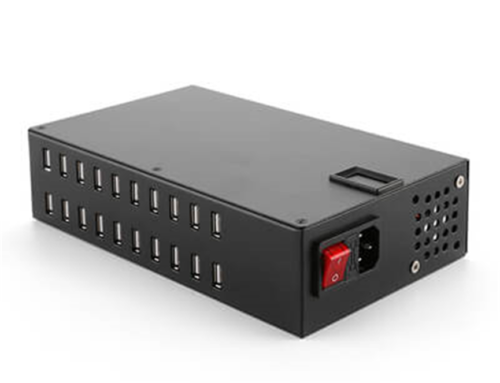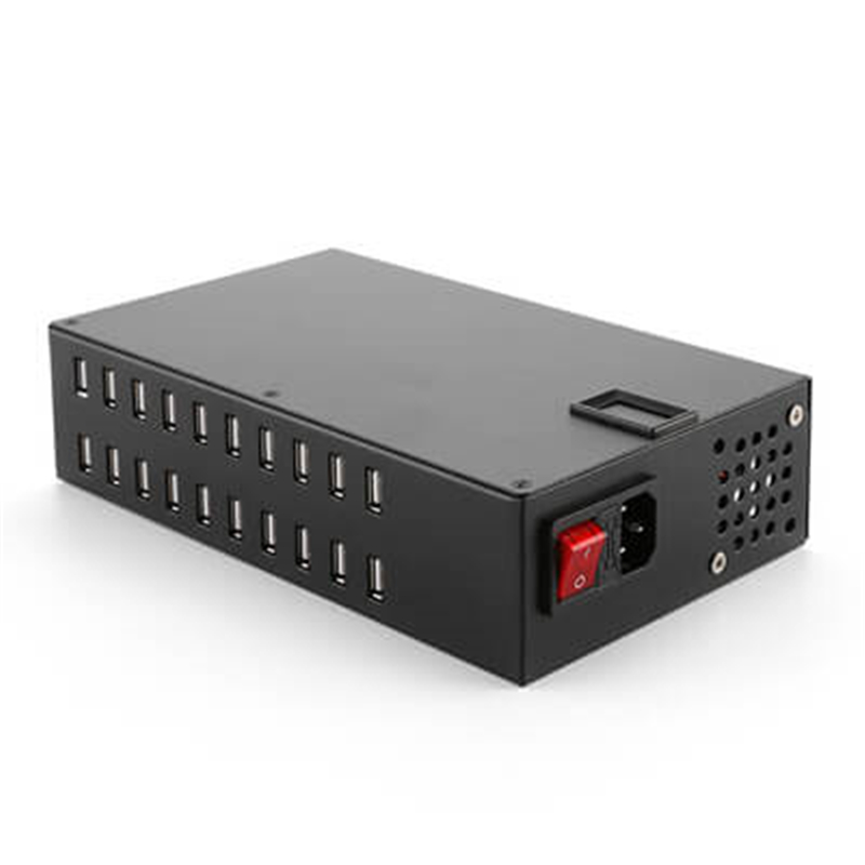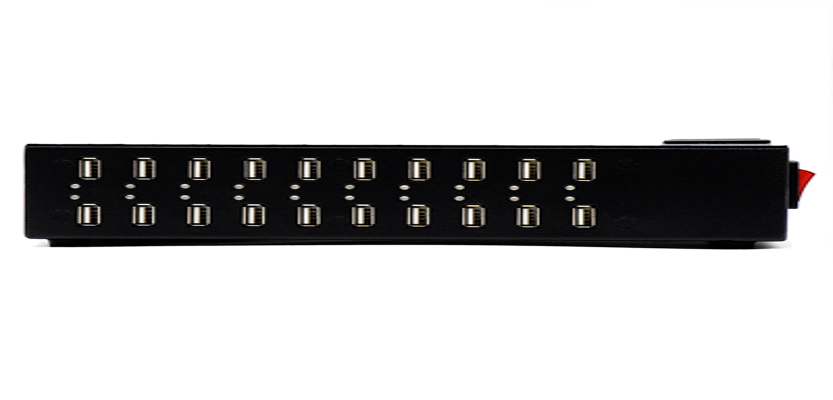
20 Port USB Charging Station is a centralized charging solution designed to provide power to multiple USB-compatible devices.20 Port multi-device charging system is a centralized charging solution designed to power multiple USB-compatible devices from one compact unit. A centralized charging system provides a more organized way to supply power to multiple devices while simplifying installation and daily device management.
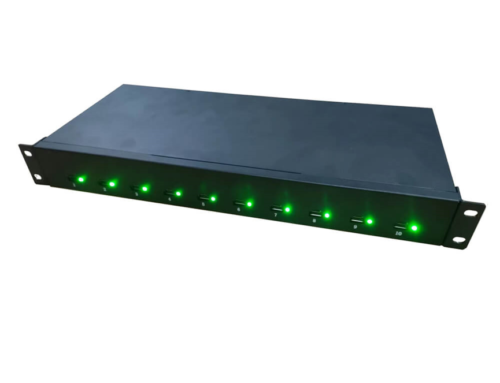
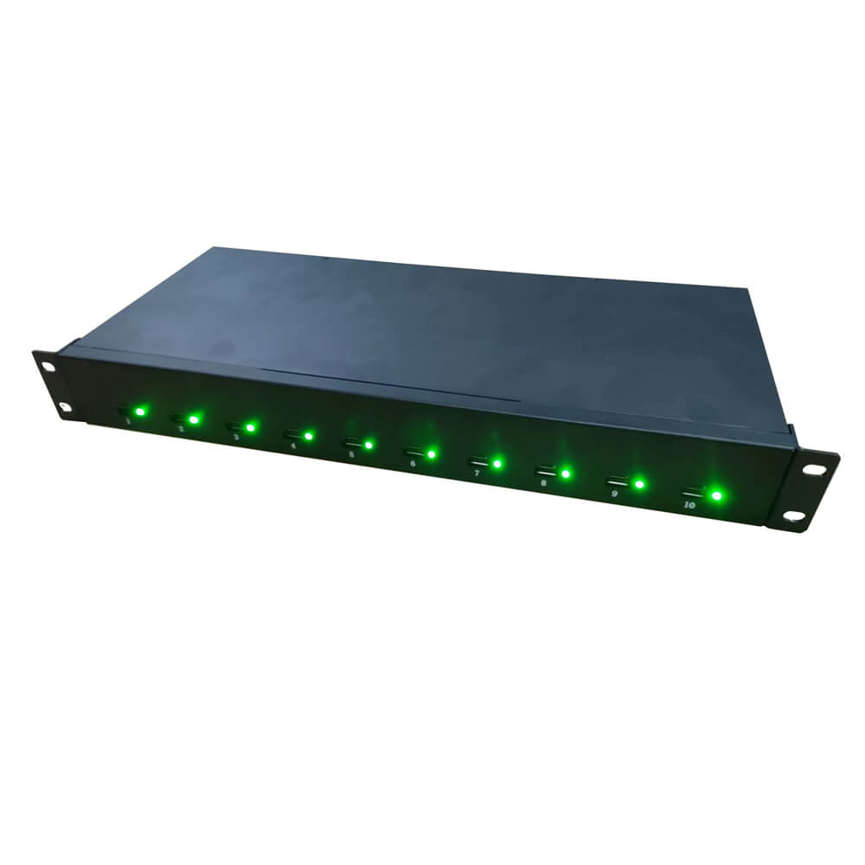
The 20-Port USB Charging Station 5V 60A (300W) is designed as a high-capacity, rack-mount charging solution for environments that need multiple charging connections in a compact form factor. Its 5V 60A output is equivalent to 300W of total power, providing substantial system-level capacity for simultaneous multi-device charging.
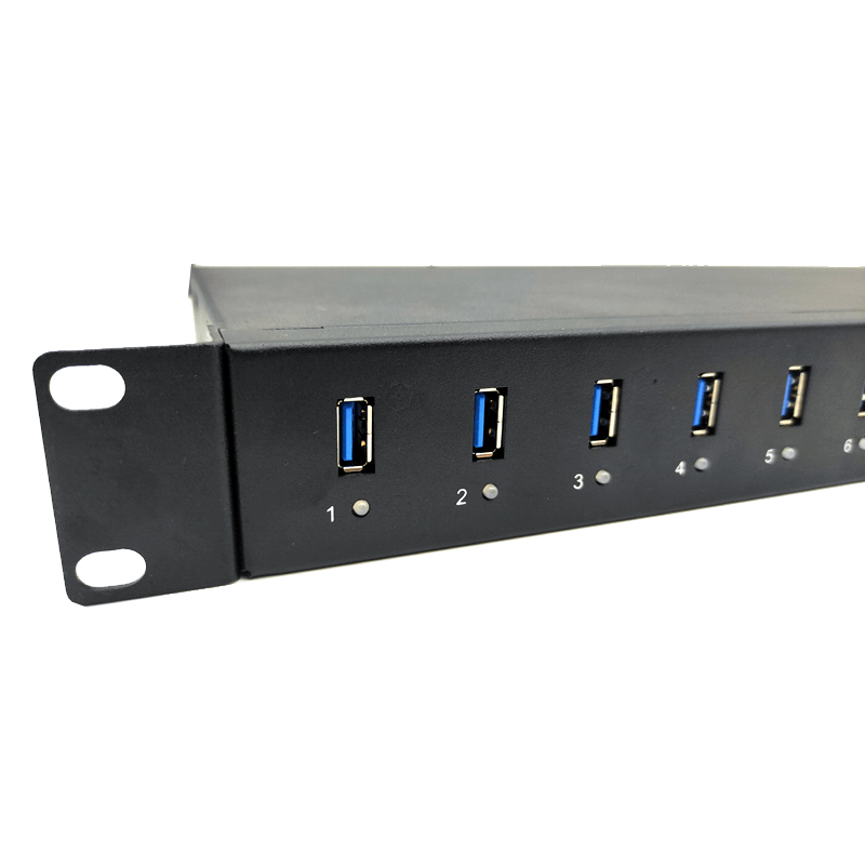
The 1U rack-mount design makes the charger particularly suitable for server racks, charging cabinets, equipment rooms, and other installations where efficient use of rack space is important.
With 20 charging ports and centralized power delivery, this type of charging station can support schools, offices, IT departments, laboratories, training facilities, conference rooms, and other shared-device environments.
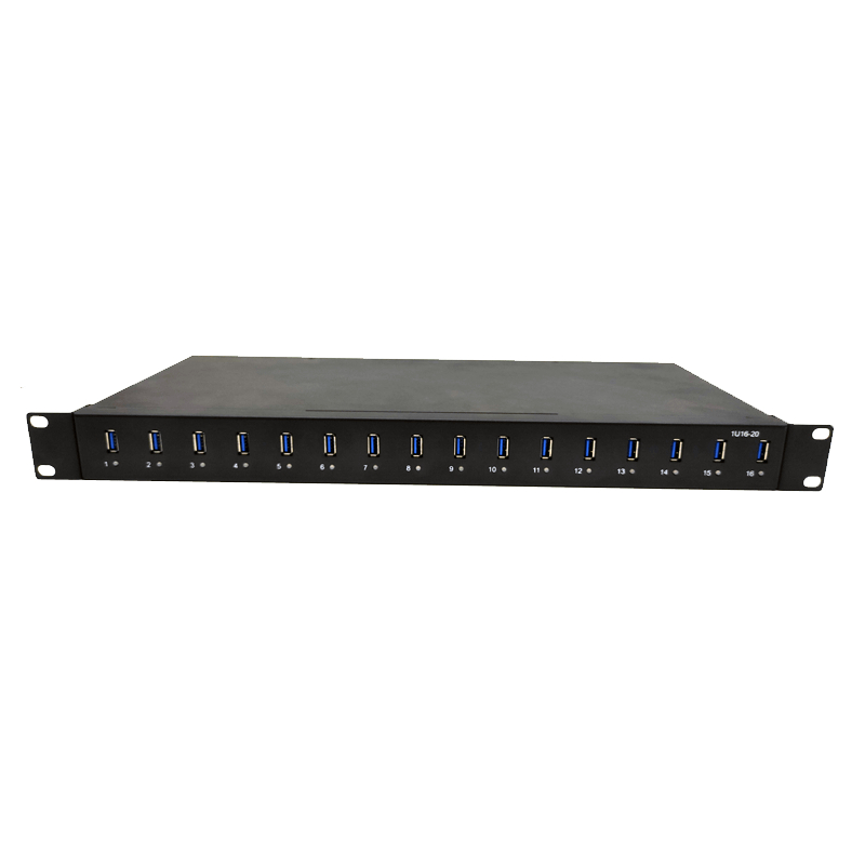
20 Port USB Charging Station: Key Specifications
A 20-Port USB Charging Station is a centralized charging system designed to provide power to multiple USB-compatible devices from one unit.
Instead of using a separate wall adapter for every device, users can connect several devices to the same charging station. This helps consolidate charging equipment and can make cable management easier.
The product is specified with:
- 20 USB charging ports
- 5V output
- 60A total current
- 300W total power
- 1U rack-mount form factor
The 1U design allows the charging station to be installed within compatible 19-inch rack infrastructure, subject to the exact mounting requirements of the unit and rack.
Key Specifications
| Specification | Details |
| Product Type | 20-Port USB Charging Station |
| Number of Ports | 20 |
| Output Voltage | 5V |
| Total Output Current | 60A |
| Total Output Power | 300W |
| Rack Design | 1U Rack-Mount |
| Charging Type | Centralized USB Charging |
| Category | Charging Cabinet / Multiport USB Charger |
| Intended Use | Multi-device charging |
| Installation | Compatible rack/cabinet installation |
Understanding the 5V 60A Output
The product name identifies the charger as a 5V 60A USB charging station.
Voltage and current can be used to calculate total electrical power:
Power = Voltage × Current
Therefore:
5V × 60A = 300W
This confirms the stated 300W total output.
The 60A figure represents the stated total current capacity of the charging system. It should not automatically be interpreted as 60A being delivered through a single USB port.
The total current is distributed across the charging system according to its internal design and the requirements of the connected devices.
300W Total Power Capacity
A 300W total output gives this charging station a significant amount of centralized power for a 20-port system.
However, total system power should always be distinguished from the amount of power consumed by each individual device.
For example, connected devices may have very different charging requirements. One smartphone may require substantially less power than another device, while a tablet or other USB-powered equipment may require a different current level.
Actual charging performance depends on:
- Connected device requirements
- Number of devices charging simultaneously
- Charging circuitry
- USB cable quality
- Device battery condition
- Internal power distribution
- Total system load
Therefore, the 300W rating should be understood as the stated total system output, rather than assuming every port continuously delivers an identical maximum amount.
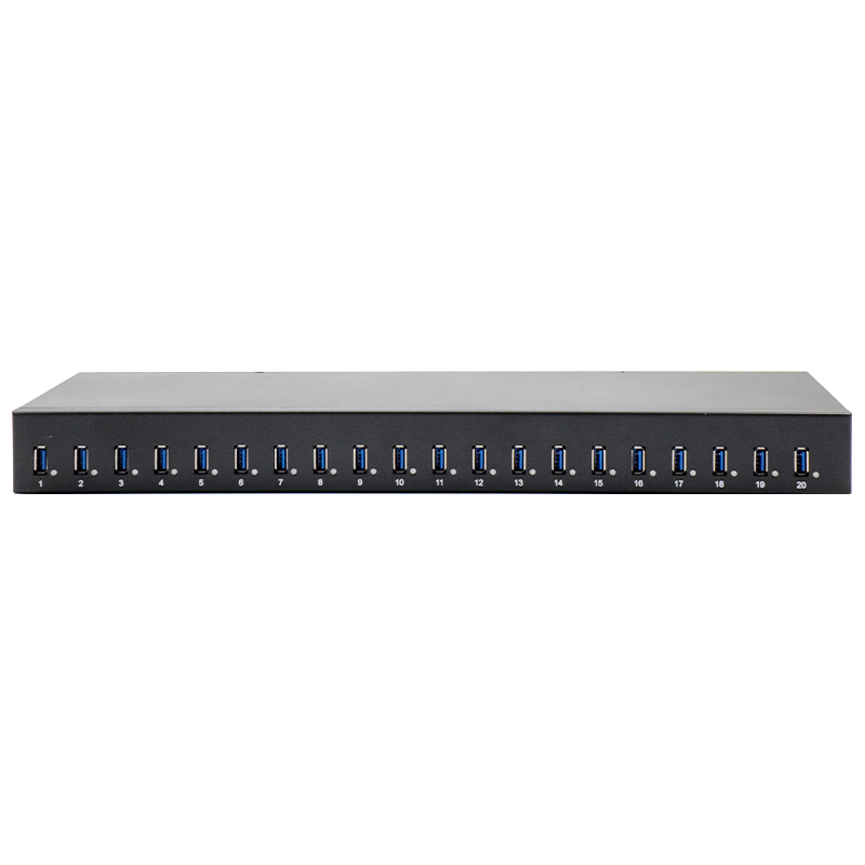
20-Port Design for Multi-Device Charging
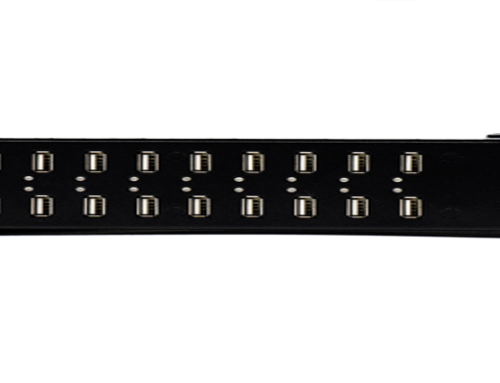
The station provides 20 charging ports, allowing multiple compatible devices to be connected to one centralized charging system.
This high port count can be especially useful in environments where devices are collected and charged in groups.
For example, a school may need to charge multiple tablets after classroom activities. An office may need a central charging point for employee smartphones. An IT department may need a dedicated location for charging managed devices.
Instead of distributing individual chargers throughout the facility, a 20-port station can consolidate the charging process.
1U Rack-Mount Design
One of the key characteristics of this product is its 1U rack-mount configuration.
In standard rack environments, 1U refers to one rack unit of vertical rack space. A rack-mount charging station designed for 1U installation can make efficient use of limited equipment-room space.
This type of design can be useful for:
- Server racks
- Equipment cabinets
- IT rooms
- Charging cabinets
- Network infrastructure areas
- Commercial technology installations
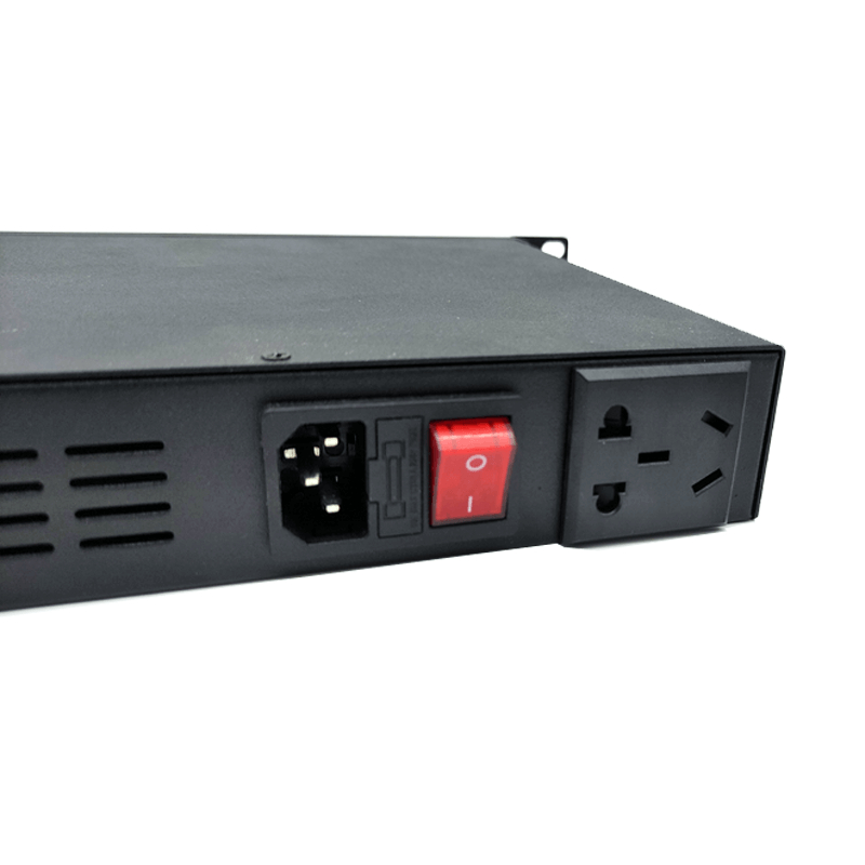
Before installation, users should verify that the specific rack, mounting hardware, depth, ventilation, and power infrastructure are compatible with the charging station.
Why Rack-Mount Charging Matters
Traditional desktop charging stations can consume valuable desk or counter space. A rack-mounted system moves the charging hardware into a structured equipment environment.
This can provide several organizational advantages:
Better Space Utilization
A 1U device occupies a compact amount of vertical rack space.
Centralized Installation
Charging hardware can be located alongside other managed equipment.
Easier Equipment Organization
A dedicated rack location can create a consistent place for charging devices and managing cables.
Professional Infrastructure
Rack-mounted equipment can be easier to integrate into an organization’s existing IT or equipment infrastructure.
Benefits of the 20-Port USB Charging Station
1. High Port Capacity
Twenty charging ports allow multiple devices to be connected to one unit.
2. 300W Total Output
The stated 300W capacity provides substantial system-level power for centralized charging.
3. 5V Charging Output
The station is specified with a 5V output suitable for compatible USB charging applications.
4. Rack-Mount Installation
The 1U design helps conserve rack space.
5. Centralized Power Management
Multiple devices can be managed from a single charging location.
6. Suitable for Shared Environments
The high port count makes it practical for organizations managing multiple devices.
7. Organized Infrastructure
Rack installation can reduce the need for numerous individual power adapters around desks and work areas.
Applications
The 20-Port USB Charging Station can be used in many environments where centralized device charging is required.
| Environment | Application |
| Schools | Centralized charging for classroom devices |
| Universities | Charging shared tablets and mobile devices |
| Offices | Employee device charging |
| IT Departments | Centralized charging for managed equipment |
| Laboratories | Charging compatible USB-powered devices |
| Training Centers | Charging devices used during training |
| Conference Rooms | Centralized charging during meetings |
| Equipment Rooms | Dedicated charging infrastructure |
| Charging Cabinets | Integrated multi-device charging |
| Commercial Facilities | Shared charging for staff devices |
20-Port Charging Station vs Individual Chargers
A centralized rack-mount charger can offer organizational benefits compared with multiple standalone adapters.
| Feature | 20-Port 300W Rack-Mount Station | Individual Chargers |
| Charging Ports | 20 | Generally 1 per charger |
| Total Power | 300W stated | Varies |
| Output | 5V | Varies |
| Installation | 1U rack-mount | Usually wall/desktop |
| Centralized Charging | Yes | No |
| Space Management | Efficient rack installation | Can create clutter |
| Cable Management | Centralized | Distributed |
| Large-Group Charging | Well suited | Less convenient |
| Infrastructure Integration | Rack-oriented | Limited |
Individual chargers remain useful for personal or mobile charging, but they can become difficult to manage when dozens of devices need to be charged in one location.
A centralized charging station is more appropriate when the primary requirement is organized, high-capacity charging.
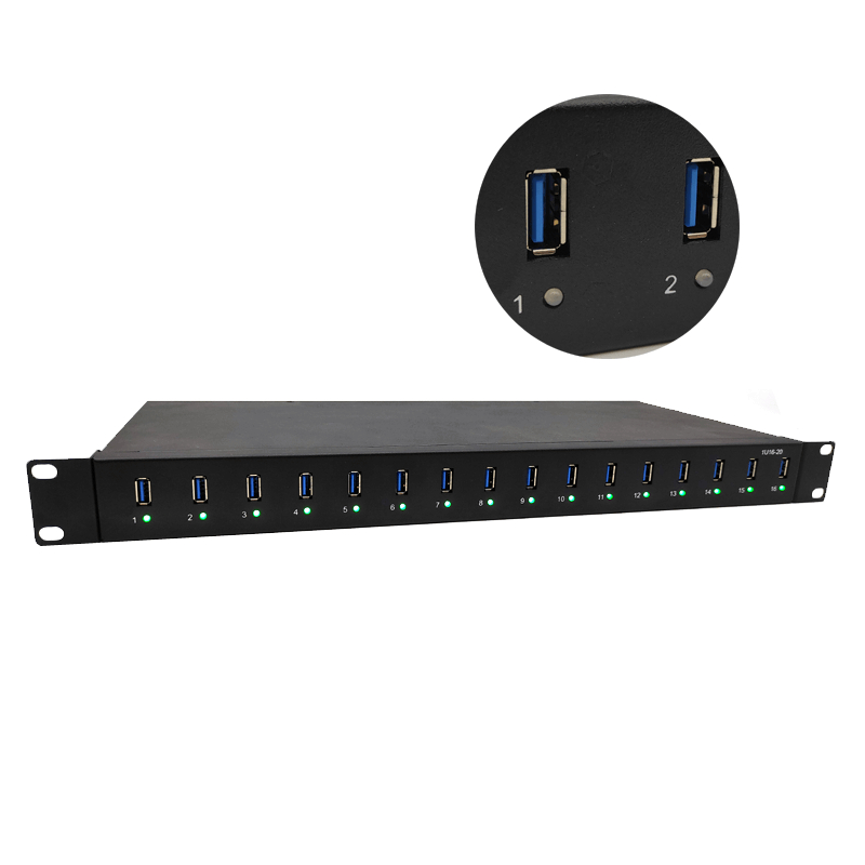
Understanding Power Distribution
The combination of 5V, 60A, and 300W describes the electrical capacity of the system.
The relationship is straightforward:
5V × 60A = 300W
However, this does not mean that each of the 20 ports provides 60A.
The 60A figure represents the stated total current capacity, while the 300W figure represents the resulting total power at 5V.
The actual current drawn by individual devices depends on their charging requirements and the design of the charging station.
This distinction is important when calculating the expected load of a multi-device charging environment.
Centralized Charging Workflow
A rack-mounted charging station can simplify the way organizations manage shared devices.
A typical workflow can be:
Collect Devices → Connect Charging Cables → Place Devices in Charging Area → Monitor Charging → Disconnect → Return Devices
For schools and businesses, this can create a repeatable process for device charging.
For example, devices can be collected at the end of a working session, connected to available ports, and returned to users once charging is complete.
Factors to Consider Before Installation
1. Rack Compatibility
Confirm that the charging station fits the intended rack or cabinet and that the rack provides the appropriate mounting provisions.
2. Power Infrastructure
The installation should support the electrical requirements of the charger.
3. Ventilation
Provide suitable airflow around rack-mounted equipment according to the manufacturer’s installation instructions.
4. Cable Management
Use appropriately sized cables and organize them so they do not obstruct other equipment.
5. Device Requirements
Verify that the connected devices are compatible with the station’s 5V charging output.
6. Total Load
Consider how many devices will normally be charging at the same time and their expected power requirements.
Best Practices for Multiport USB Charging
Proper operation starts with suitable cables, compatible devices, and an organized installation.
Use compatible cables: Choose cables suitable for the connected USB devices.
Inspect cables regularly: Replace cables that show visible damage.
Avoid overloaded installations: Keep the overall charging demand within the system’s rated capacity.
Maintain airflow: Do not obstruct ventilation around rack-mounted equipment.
Keep the rack organized: Use cable-management practices to prevent tangled or stressed connections.
Check connections: Loose or damaged connectors should be addressed promptly.
Follow manufacturer instructions: Installation and maintenance should follow the product’s technical documentation.
Why 1U Charging Cabinets Are Useful
A 1U charging cabinet or rack-mounted charger can be especially useful for organizations that already operate server racks or structured equipment cabinets.
Rather than dedicating a desk, shelf, or large floor area to charging equipment, a 1U device can be incorporated into an existing rack environment.
This can be advantageous for IT teams that want to keep charging infrastructure close to other managed equipment.
The rack-based approach also supports a more structured installation, particularly when combined with proper cable management and equipment labeling.
Multiple USB Charging Station for Organizations
A multiple USB charging station is most valuable when charging is a recurring operational requirement rather than an occasional personal activity.
For example:
- A school may charge devices every afternoon.
- An office may maintain a central charging point for staff.
- A training center may recharge devices after each session.
- An IT department may maintain a dedicated charging area.
- A conference facility may provide centralized charging during events.
In these scenarios, a 20-port charging station can simplify charging logistics and reduce the number of individual power adapters required.
Frequently Asked Questions
How many devices can this charging station support?
The station provides 20 USB charging ports, allowing up to 20 compatible devices to be connected.
What is the total power output?
The stated total output is 300W.
How is the 300W rating calculated?
The product is specified at 5V and 60A. Using the power formula:
5V × 60A = 300W
Is this a 1U rack-mount charger?
Yes. The product is specified as a 1U rack-mount USB charging station.
What does 1U mean?
1U refers to one standard rack unit of vertical space in rack-mounted equipment.
Is the 60A output per port?
No. The stated 60A is the total system current rating. It should not be interpreted as 60A through each individual port.
Is the charger suitable for schools?
Yes. A 20-port centralized charging design can be useful for schools and educational environments that manage multiple USB-powered devices.
Can it be used in an IT equipment room?
Yes. Its 1U rack-mount design is particularly suited to structured equipment environments, subject to installation and compatibility requirements.
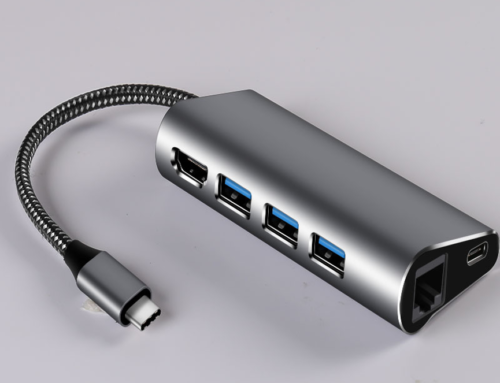
Does the charger support USB-C Power Delivery?
The supplied specifications only identify a 5V 60A (300W) USB charging output and do not state USB-C Power Delivery support. Therefore, USB-C PD support should not be assumed without manufacturer confirmation.
Conclusion
The 20-Port USB Charging Station 5V 60A (300W) is designed to provide centralized, high-capacity charging for environments managing multiple USB-powered devices. With 20 charging ports, 5V output, and a stated 60A total current capacity, the system provides a calculated 300W total power output.
Its 1U rack-mount design makes it especially suitable for organizations that want to integrate charging infrastructure into server racks, equipment cabinets, IT rooms, or other structured installations. By consolidating multiple charging connections into one unit, it can help improve organization and reduce dependence on numerous individual charging adapters.
The key specifications should be evaluated together: 5V × 60A = 300W represents the system-level power relationship, while actual power delivered to individual devices depends on their requirements and the charger’s internal power distribution.
For schools, offices, IT departments, training centers, laboratories, and commercial environments requiring centralized charging, this 20-port 300W rack-mount USB charging station offers a practical way to manage multiple compatible devices while making efficient use of rack space.