Introduction
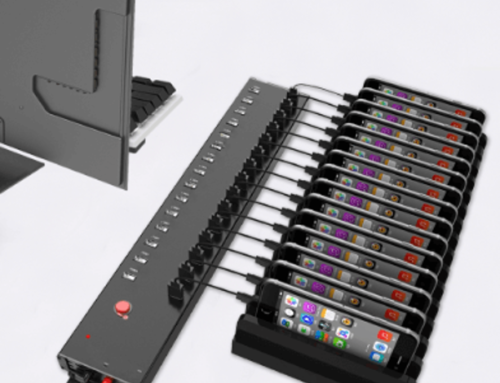
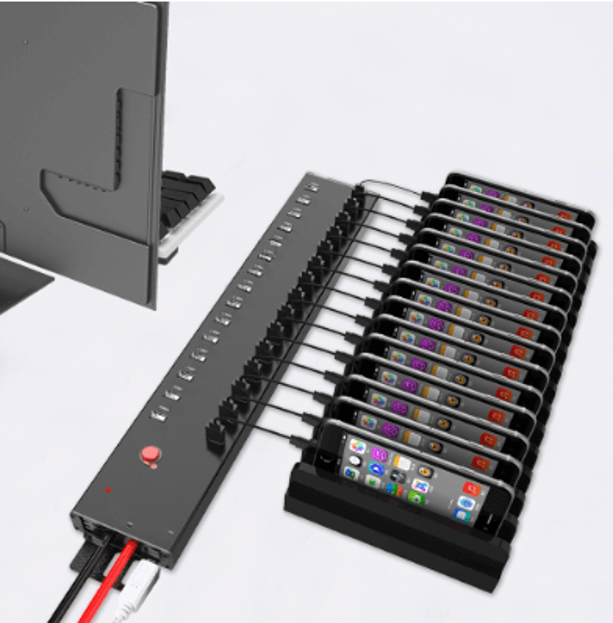
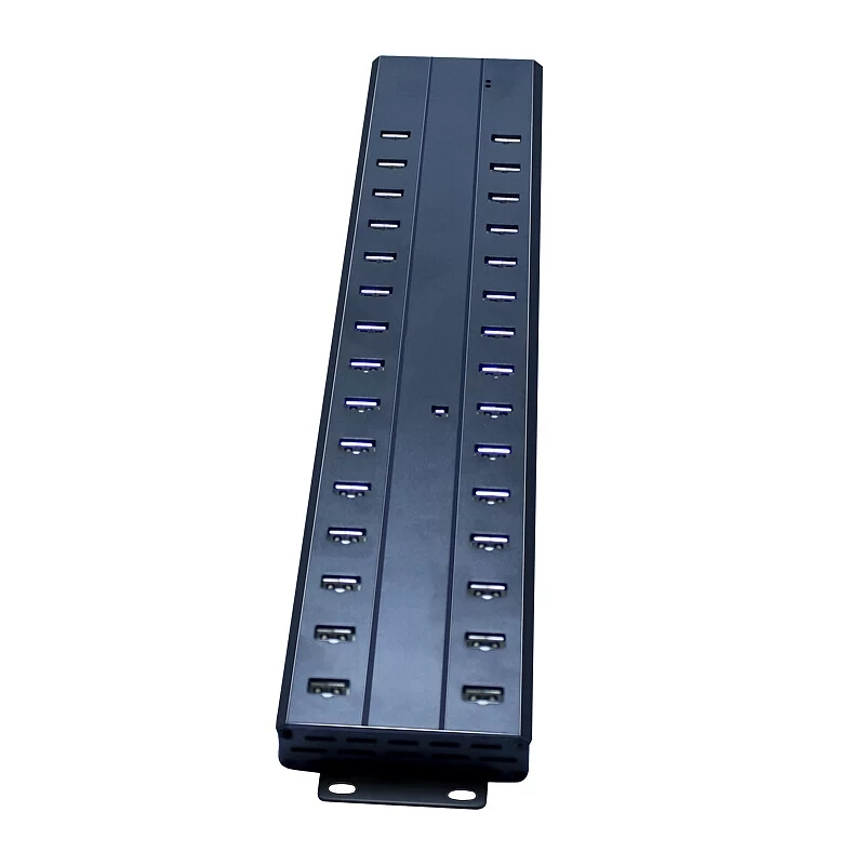
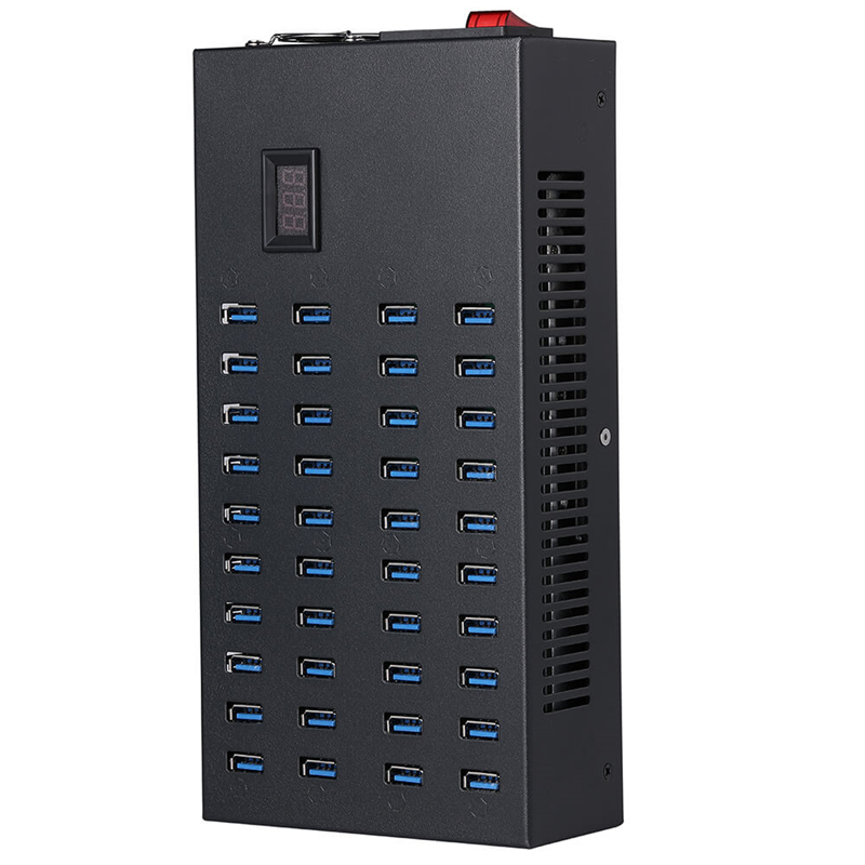
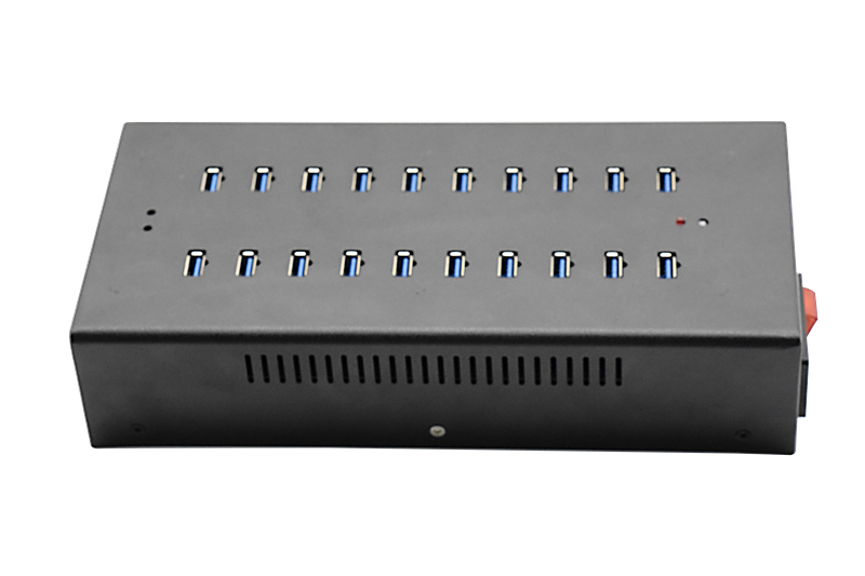
The Syncs Charges Hub A-32 is a high-capacity USB 2.0 solution designed for multi-device charging and synchronization.
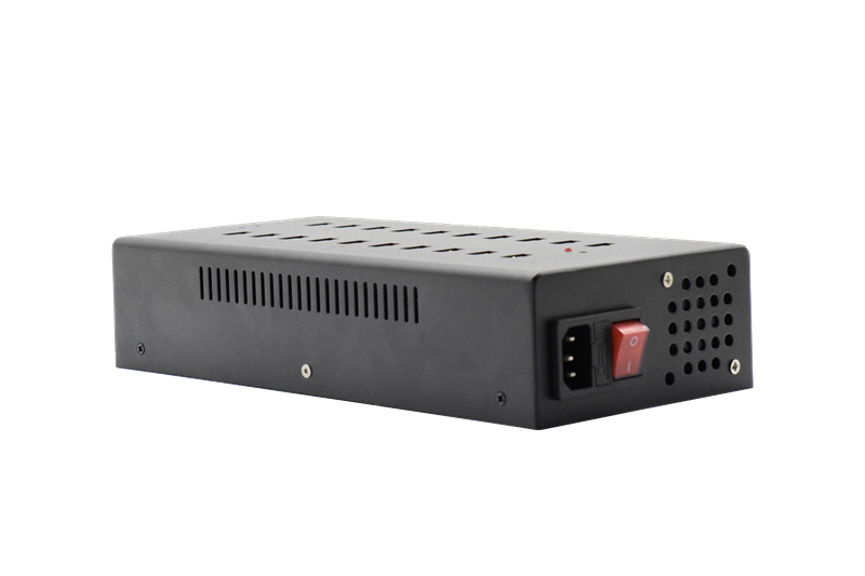
The 32 Port Syncs & Charges HUB A-32 is positioned as a high-capacity USB 2.0 hub designed for multi-device charging and syncing. The supplied product information specifies 5V 2.4A charging per port, a 300W power supply, and support for fast and secure charging and syncing.
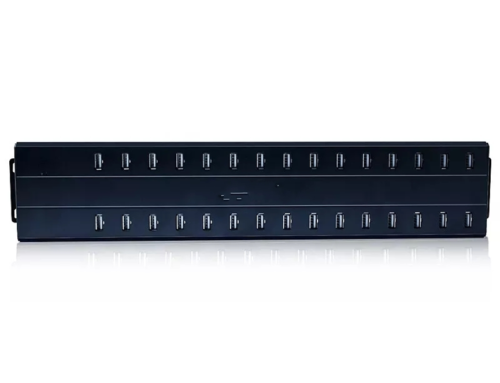
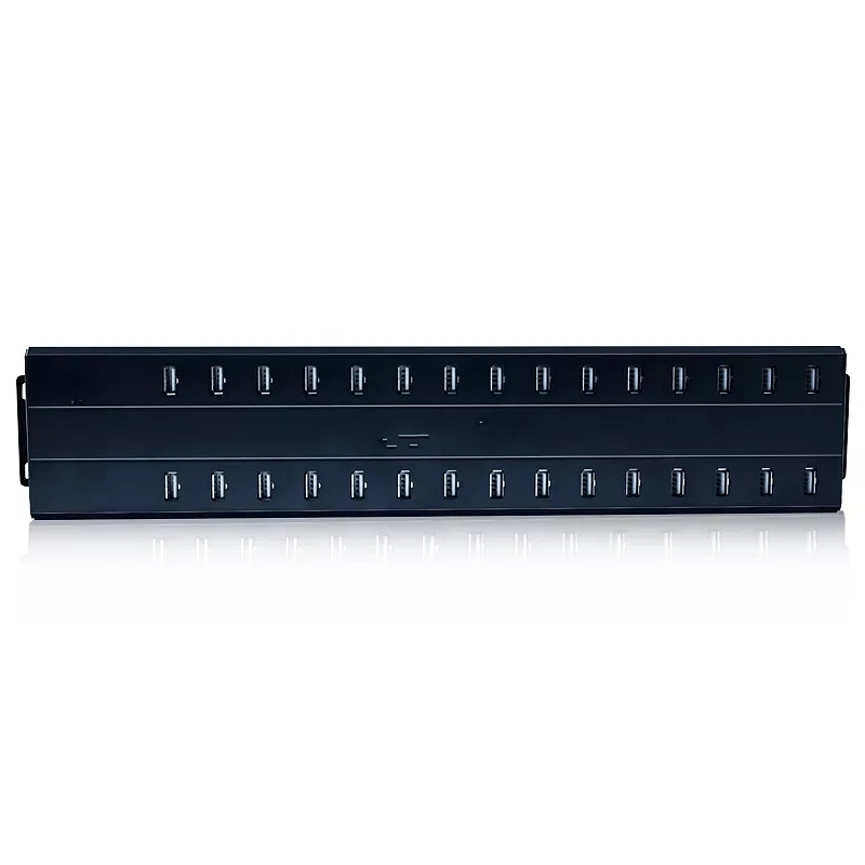
One important specification point should be clarified before deployment: the product is identified as a 32-port USB 2.0 HUB, while the detailed specification also states “30 Ports USB 2.0 Hub.” This article therefore uses the model/product name of 32 Port Syncs & Charges HUB A-32, but does not silently assume whether the actual physical port count is 30 or 32. The manufacturer should confirm the final port count.
Subject to that clarification, the product is designed around a simple concept: provide a centralized USB connection point where multiple compatible devices can be charged and synchronized rather than requiring numerous individual chargers or smaller hubs.
What Is the A-32 Syncs & Charges HUB?
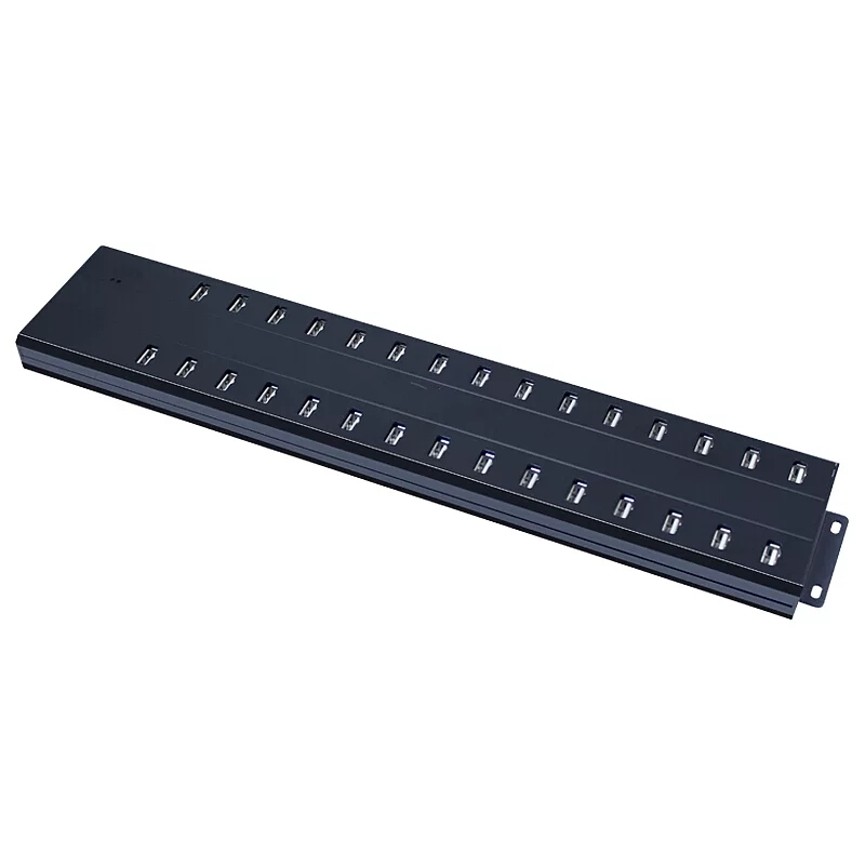
The A-32 is a multi-port USB hub intended for environments that need to work with many USB devices at the same time.
Unlike a basic USB hub designed primarily to add a few extra connections to a computer, a high-capacity charge-and-sync hub is intended for larger device-management workflows.
Its supplied specifications include:
- USB 2.0 connectivity
- High port-count configuration
- 5V 2.4A maximum charging capability per port
- 300W power supply
- Charging and synchronization functionality
- Multi-device operation
This makes the hub suitable for centralized charging and USB connectivity in professional environments where multiple devices must be handled repeatedly.
Important Port-Count Specification Note
There is an inconsistency in the supplied product information:
| Product Information | Stated Port Count |
| Product/model description | 32 ports |
| Detailed bullet specification | 30 ports |
Because these two statements conflict, the exact physical port count should be confirmed with the manufacturer before publishing a final technical specification sheet or purchasing the product.
For SEO and product identification, the product can be referred to as the 32 Port Syncs & Charges HUB A-32, while the article avoids claiming that there are definitively 32 physical ports until the specification is confirmed.
This distinction is important for commercial product content because port count is a measurable hardware specification.
5V 2.4A Charging Per Port
The product specification states a 5V 2.4A charging capability for each port.
At the stated maximum:
5V × 2.4A = 12W
This means a port operating at the stated 5V and maximum 2.4A current corresponds to approximately 12W of electrical power.
However, 2.4A should be treated as the maximum stated charging capability, not as a guarantee that every connected device will continuously draw 2.4A.
Actual charging depends on several factors, including:
- Device charging requirements
- Battery condition
- Charging circuitry
- Cable quality
- Device compatibility
- Power-management behavior
- Overall system power distribution
A smartphone, tablet, or other USB device may therefore draw less than the maximum available current.
Understanding the 300W Power Supply
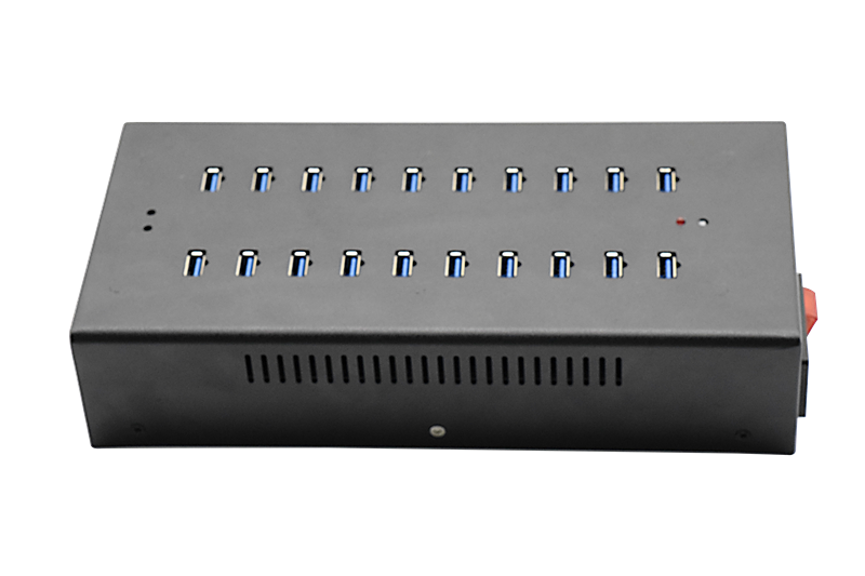
The A-32 is specified with a 300W power supply.
This is an important distinction when evaluating a multi-port charging hub. The 300W figure represents the stated overall power-supply capacity of the system; it should not be interpreted as 300W available independently at each USB port.
If the product has 30 ports, the theoretical maximum based on the stated 5V/2.4A figure would be:
30 × 12W = 360W
If the product actually has 32 ports:
32 × 12W = 384W
Both theoretical totals are higher than the stated 300W power supply.
Therefore, the individual 2.4A port figure and the 300W system rating should be understood separately. The maximum current rating describes individual port capability, while the 300W figure describes the available system-level power supply.
Users planning to operate many high-load devices simultaneously should confirm the manufacturer’s power-distribution and load-management specifications.
USB 2.0 Connectivity
The A-32 is identified as a USB 2.0 HUB.
USB 2.0 provides a widely supported interface for connecting compatible USB devices and can be useful for charging-and-syncing workflows where extremely high data-transfer speeds are not the primary requirement.
For synchronization tasks, real-world data performance depends on the connected device, host system, cables, software, and USB configuration.
The USB 2.0 designation should also not be confused with the product’s charging capability. Charging current and data-transfer capability are separate aspects of the system.
Charge and Sync Functionality
The central purpose of a sync-and-charge hub is to combine device charging with USB connectivity.
A typical workflow might involve:
- Connecting multiple compatible devices.
- Supplying charging power to those devices.
- Connecting the hub to a host computer or compatible system.
- Synchronizing data through supported software.
- Managing multiple devices from a centralized workstation.
This can be particularly useful for organizations that repeatedly work with groups of smartphones, tablets, and other USB-connected equipment.
Instead of moving between multiple chargers and USB adapters, staff can use one centralized multi-port platform.
Fast and Secure Charging
The product is described as providing fast and secure charging and syncing.
The stated 5V 2.4A maximum charging capability provides a relatively substantial current capacity for compatible USB devices.
However, charging speed should always be evaluated in relation to the device being charged. A device’s own charging circuitry determines how much current it actually accepts.
The same principle applies to synchronization. A high port count makes it possible to manage many connections, but actual data performance depends on the USB standard, host system, software, connected devices, and cables.
Applications of the A-32
IT Departments
IT teams can use high-capacity USB hubs when managing multiple mobile devices, peripherals, or testing equipment.
A centralized hub can reduce the number of separate USB accessories required at a workstation.
Schools and Educational Institutions
Schools and training centers may have multiple tablets or USB-powered devices that need regular charging.
A centralized charging and synchronization solution can make device management easier for staff.
Smartphone and Tablet Service Centers
Repair and refurbishment environments often handle multiple devices simultaneously.
A multi-port charging and syncing hub can provide a dedicated location for charging, testing, and compatible data-management activities.
Device Testing
Testing environments may need several devices connected simultaneously.
The high-capacity design can help reduce repeated cable changes when working with multiple compatible USB devices.
Commercial Workspaces
Offices, retail environments, and other commercial locations can benefit from centralized USB charging when several employees or devices require access to power.
Device Management
Organizations managing a fleet of compatible mobile devices can use a centralized hub as part of a structured charging and synchronization station.
Key Benefits
High-Capacity USB Connectivity
The product is designed around a high-port-count configuration, making it suitable for multi-device environments.
2.4A Maximum Charging Capability
Each specified port supports up to 5V 2.4A charging capability, subject to device requirements and overall system power distribution.
300W System Power
The 300W power supply supports the hub’s centralized multi-device design.
Charging and Syncing
The product combines charging and USB synchronization in one solution.
Centralized Workflow
Instead of using multiple small hubs and individual chargers, organizations can create a dedicated multi-device workstation.
USB 2.0 Compatibility
USB 2.0 is broadly established and suitable for many standard USB connectivity and synchronization applications.
A-32 vs Standard USB Hub
| Feature | A-32 Syncs & Charges HUB | Standard USB Hub |
| Port Capacity | High-capacity configuration | Usually fewer ports |
| Charging | 5V 2.4A stated per port | Depends on model |
| Power Supply | 300W stated | Varies |
| USB Standard | USB 2.0 | Varies |
| Charging & Syncing | Supported | Depends on model |
| Intended Use | Multi-device environments | General connectivity |
| Centralized Charging | Yes | Depends on model |
The main distinction is scale. A standard USB hub may be sufficient for connecting a few peripherals, while the A-32 is intended for environments where many compatible devices need centralized charging and synchronization.
How to Set Up the A-32
Step 1: Choose the Installation Location
Place the hub on a stable workstation or in the intended equipment area. Make sure the location provides adequate ventilation.
Step 2: Connect the Power Supply
Connect the hub to its specified 300W power supply according to the manufacturer’s installation instructions.
Step 3: Connect the Host
Connect the hub to the compatible host computer or system using the appropriate USB connection.
Step 4: Connect Devices
Attach compatible smartphones, tablets, or other USB devices using suitable USB cables.
Step 5: Begin Charging
Connected devices can receive charging power according to their individual requirements and the hub’s available power distribution.
Step 6: Synchronize Data
Where supported, use the appropriate software and device-management workflow to synchronize data.
Best Practices for Multi-Device Charging
A high-capacity hub requires thoughtful installation and device management.
Use appropriate cables: Damaged or low-quality USB cables can affect both charging and synchronization.
Monitor total power demand: The stated 300W power supply should be treated as the overall system rating.
Do not assume maximum output on every port simultaneously: The 2.4A figure is an individual maximum specification, while the system has a separate total power rating.
Keep cables organized: A large number of connected devices can quickly create cable clutter. Labeling cables can make device management easier.
Check device compatibility: Different phones, tablets, and USB devices can have different charging and synchronization requirements.
Provide adequate ventilation: Multi-device charging can generate heat, making suitable airflow important.
Verify software requirements: If synchronization is part of the workflow, ensure the host software supports the connected devices.
What to Consider Before Buying
Confirm the Port Count
The most important point for this product is confirming whether the final hardware configuration contains 30 or 32 USB ports, because both figures appear in the supplied specification.
Evaluate Charging Requirements
Check the charging requirements of all devices intended for connection. The stated maximum is 5V 2.4A per port.
Consider Total Power
The 300W power supply should be considered when calculating the expected load from multiple connected devices.
Check USB 2.0 Requirements
USB 2.0 can be suitable for many synchronization and connectivity tasks, but organizations with high-speed data-transfer requirements should verify whether the interface meets their workflow needs.
Verify Device and Software Compatibility
Before deployment, confirm that the mobile devices, host computer, cables, and synchronization software work together as required.
Frequently Asked Questions
How many ports does the A-32 have?
The product is identified as a 32 Port Syncs & Charges HUB A-32, but the supplied specifications also state “30 Ports USB 2.0 Hub.” The exact physical port count should therefore be confirmed with the manufacturer.
What is the charging output per port?
The stated charging capability is 5V 2.4A per port.
How many watts is 5V 2.4A?
At maximum stated current, 5V × 2.4A equals approximately 12W.
What is the total power supply rating?
The product is specified with a 300W power supply.
Does 300W mean each port can provide 300W?
No. The 300W figure is the stated system-level power-supply rating, not the output of an individual USB port.
Is the A-32 a USB 2.0 hub?
Yes. The product is identified as a USB 2.0 HUB.
Can the hub charge and sync devices?
Yes. It is described as a Syncs & Charges HUB, supporting charging and synchronization workflows for compatible USB devices.
Is the 2.4A charging output guaranteed for every device?
No. The 2.4A specification represents the stated maximum charging capability. Actual current depends on the connected device and its charging requirements.
Who can use this USB hub?
It can be suitable for IT departments, schools, offices, service centers, testing environments, device-management operations, and other professional multi-device setups.
Conclusion
The 32 Port Syncs & Charges HUB A-32 is designed as a centralized USB 2.0 solution for environments that need to manage multiple compatible devices through charging and synchronization workflows.
Its key specifications include 5V 2.4A maximum charging capability per port and a 300W power supply, providing a substantial system-level power platform for multi-device use.
The high-capacity design can be useful for IT teams, educational institutions, smartphone and tablet service centers, device testing environments, offices, and commercial operations where multiple USB devices must be managed from one location.
One specification should be confirmed before final product publication or procurement: the supplied information describes the model as 32 ports, while another specification line states 30 ports. Because port count is a fundamental hardware specification, it should be verified rather than assumed.
The 300W power supply and 2.4A-per-port rating should also be interpreted as separate specifications. Individual port capability does not automatically mean every port can operate at its maximum simultaneously because total system power remains subject to the stated 300W supply and the hub’s internal power distribution.
With those points clarified, the A-32 can serve as a practical centralized platform for charging, synchronization, and USB connectivity across a large number of compatible devices.