Introduction
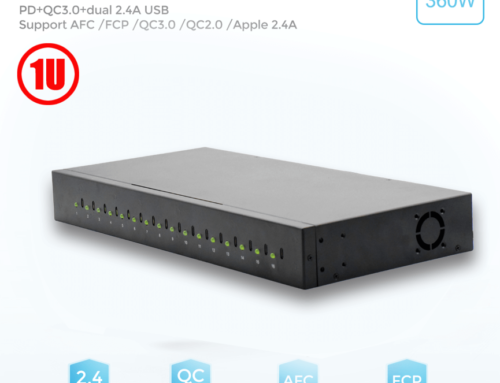
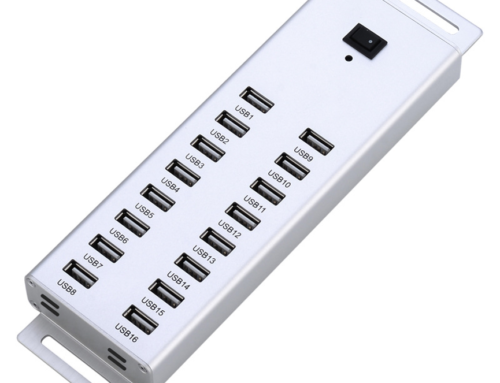
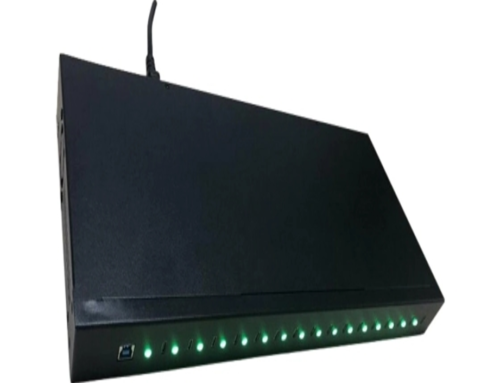
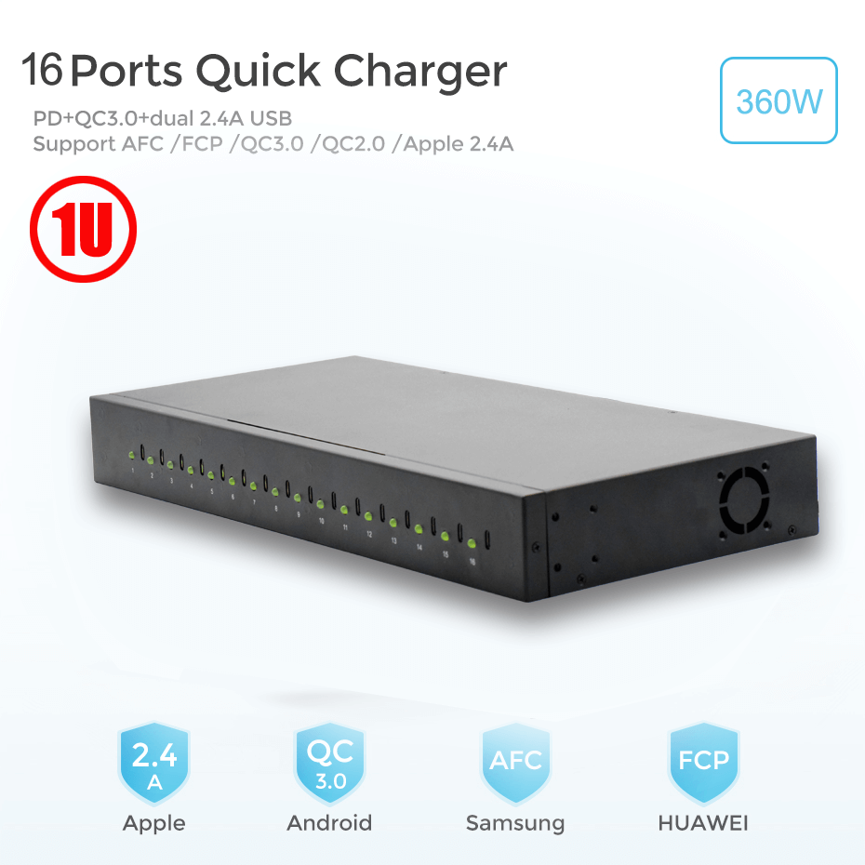
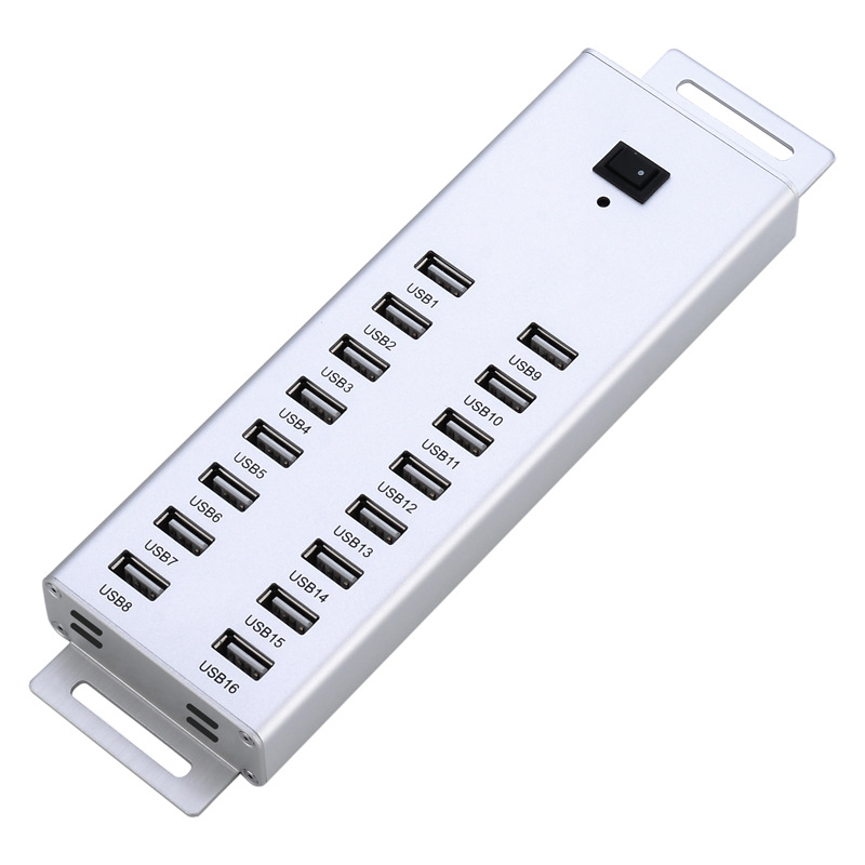
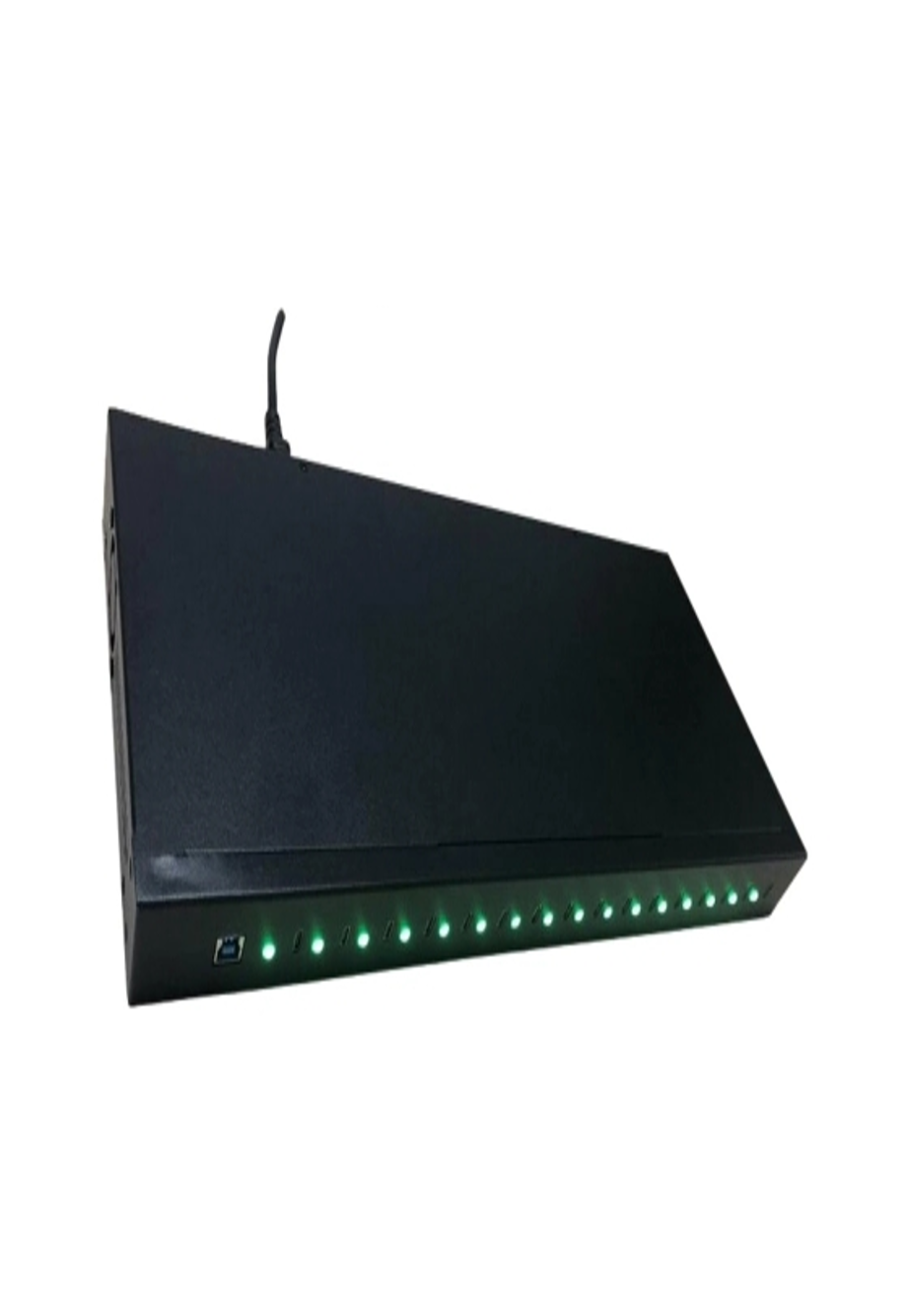
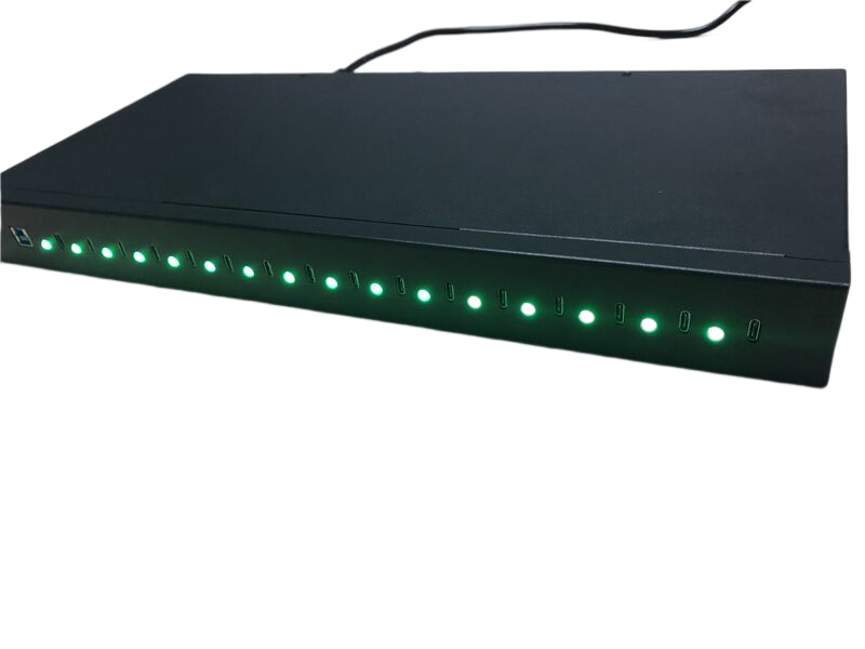
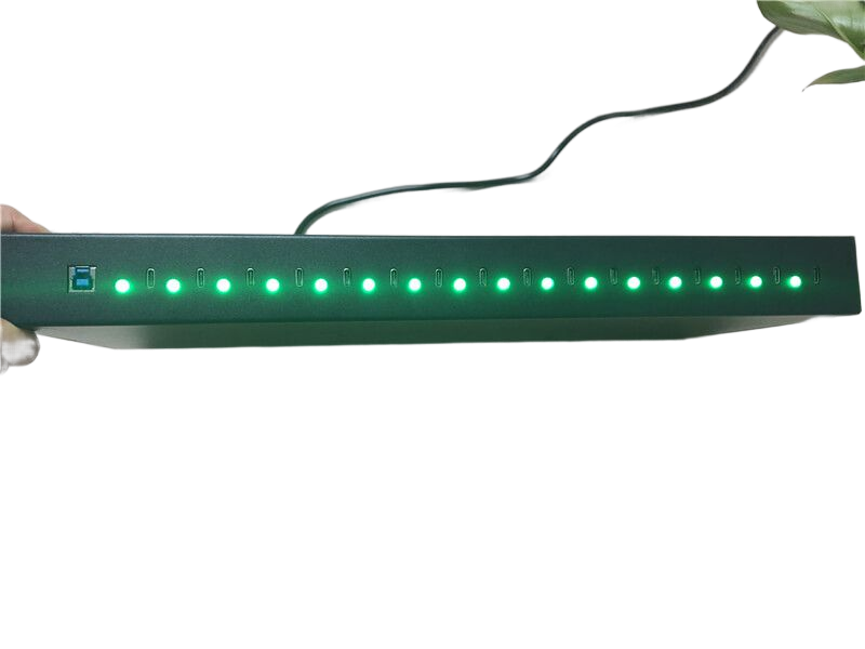
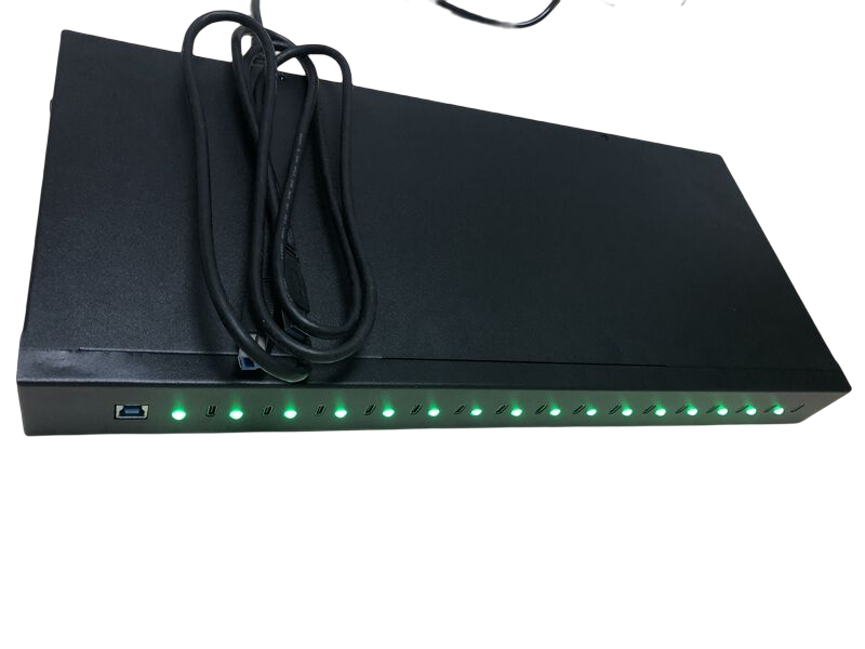
16 Ports Type C Charge & Sync Hub is designed for centralized charging and high-speed data transfer across multiple Type-C devices.
The TH-16 supports USB 3.1 Gen 2 data transfer rates of up to 10 Gbps, while each port can provide up to 5V, 2.4A or 12W of charging power according to the supplied specifications. This makes it suitable for environments where multiple mobile devices need to be charged, connected, and managed from a central location
The TH-16 supports USB 3.1 Gen 2 data transfer rates of up to 10 Gbps, while each port can provide up to 5V, 2.4A or 12W of charging power according to the supplied specifications. This makes it suitable for environments where multiple mobile devices need to be charged, connected, and managed from a central location.
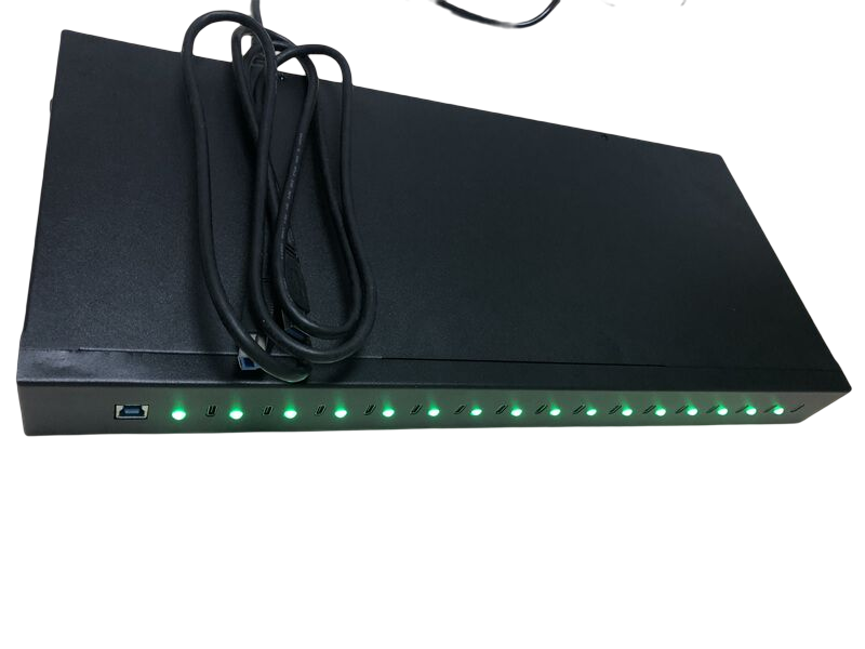
16 Ports Type C Charge & Sync Hub
6 Ports Type C Charge & Sync Hub is designed for centralized charging and high-speed data transfer across multiple Type-C devices.
Instead of using separate wall chargers for every tablet or smartphone, organizations can connect multiple devices to a single hub. This creates a more organized charging environment and can reduce cable clutter.
The TH-16 supports up to 16 tablets, smartphones, and other compatible Type-C devices at the same time.
Charging and Data Transfer in One Hub
The main advantage of a charge and sync hub is that it combines two important functions:
- Charging: Provides power to connected devices.
- Data synchronization: Allows compatible devices to exchange or synchronize data through the hub.
- Centralized management: Multiple devices can be connected from one location.
- Cable organization: Devices can be managed using a centralized connection point.
This combination makes the TH-16 more versatile than a basic multi-port charging station.
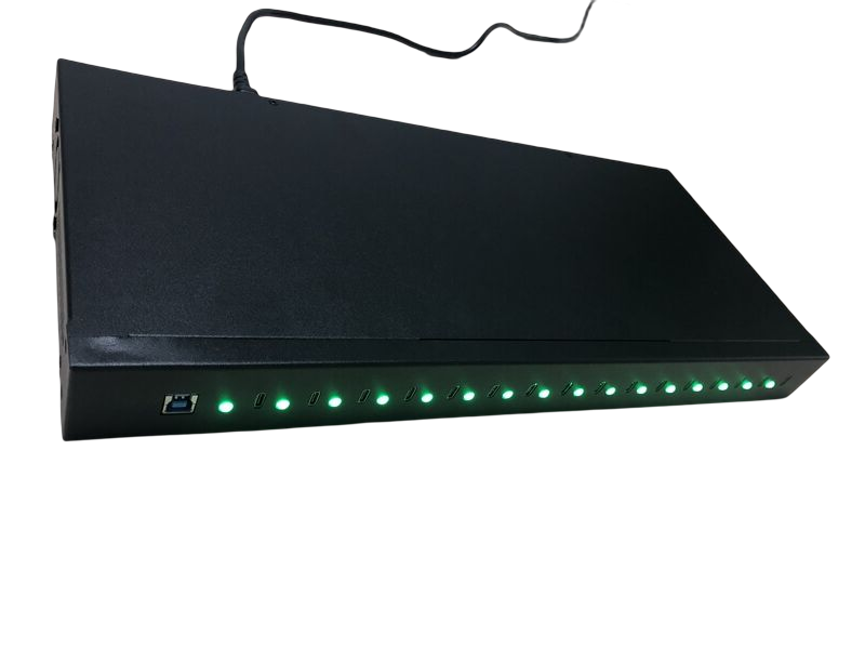
16 Ports Type C Charge & Sync Hub
The following table summarizes the product specifications provided for the16 Ports Type C Charge & Sync Hub
| Specification | Details |
| Model | TH-16 |
| Product Type | Type C Charge & Sync Hub |
| Number of Ports | 16 |
| Device Support | Tablets, smartphones and other Type-C devices |
| Data Transfer | USB 3.1 Gen 2 |
| Maximum Data Rate | Up to 10 Gbps |
| Charging Output | Up to 5V, 2.4A per port |
| Maximum Charging Power | Up to 12W per port |
| Compatible Platforms | iOS and Android devices |
| Compatible Devices | iPad, iPod, iPhone, Android tablets and smartphones |
| Main Functions | Charging and data synchronization |
| Category | Charge & Sync Hub / Charger Series / Charging Cabinet |
Actual charging and data-transfer performance can vary depending on the connected device, cable, operating system, and hardware compatibility.
USB 3.1 Gen 2 Data Transfer Up to 10 Gbps
One of the most important features of the TH-16 is its support for USB 3.1 Gen 2 data transfer rates of up to 10 Gbps.
For organizations working with multiple mobile devices, transferring or synchronizing information can become time-consuming when using slower connections. A high-speed USB interface can help improve the efficiency of supported data-transfer workflows.
What Does 10 Gbps Mean?
A maximum theoretical transfer rate of 10 Gbps means the interface is designed to handle significantly higher data throughput than older USB generations.
However, the actual speed experienced by users will depend on several factors, including:
- The connected device
- USB port capabilities
- Cable quality and specification
- Storage performance
- File type and size
- Operating system
- Device software
- Other hardware limitations
Therefore, the 10 Gbps figure should be considered the maximum supported interface rate rather than a guaranteed real-world transfer speed for every device.
Charging Up to 16 Type-C Devices
The TH-16 is designed to charge up to 16 compatible Type-C devices from a centralized hub.
This can be especially useful in environments where many mobile devices are used throughout the day.
For example, a classroom may have multiple tablets that need to be charged after lessons. Instead of connecting each tablet to a separate charger, staff can return the devices to one centralized charging area.
The same principle can be applied in offices, training facilities, hotels, healthcare environments, and other workplaces.
Up to 12W Per Port
According to the provided specification, each port can deliver up to:
5V × 2.4A = 12W
This provides a dedicated charging capacity of up to 12W per port under the specified conditions.
The actual charging rate may be lower depending on the connected device’s charging requirements and compatibility.
Compatible Devices
The TH-16 is designed for a wide range of Type-C devices.
The supplied specifications specifically mention compatibility with:
- iPad
- iPod
- iPhone
- Android tablets
- Android smartphones
- Other compatible Type-C devices
This broad compatibility makes the hub useful for mixed-device environments where different brands and operating systems may be used.
| Device Type | Potential Use |
| iPad | Education, business and training |
| iPhone | Business and mobile device management |
| Android Tablets | Classrooms, offices and field operations |
| Android Smartphones | Employee and business devices |
| Other Type-C Devices | Centralized charging and data workflows |
Before deployment, it is recommended to verify the exact connector and charging requirements of the devices being used.
Benefits of a 16 Port Type C Hub
1. Centralized Device Charging
One of the biggest advantages is centralized charging. Instead of distributing chargers throughout a room, multiple devices can be managed from one location.
This can make the charging process easier for staff and users.
2. Supports Multiple Devices
With 16 available ports, the TH-16 is designed for environments that need to manage multiple devices simultaneously.
It can be particularly useful where mobile devices are shared among employees, students, customers, or visitors.
3. High-Speed Data Connectivity
USB 3.1 Gen 2 support provides a high-speed interface with a maximum theoretical rate of 10 Gbps.
This can be valuable for supported data synchronization and transfer tasks.
4. Reduced Cable Clutter
Using a centralized hub can help create a cleaner device-management area compared with having numerous individual chargers and adapters.
5. Suitable for Mixed Device Environments
The ability to support iOS and Android devices makes the hub useful for organizations that operate a mixture of mobile platforms.
Applications of the 16 Ports Type C Charge & Sync Hub
The TH-16 can be used in many environments where multiple mobile devices need centralized charging and connectivity.
Schools and Educational Institutions
Schools increasingly use tablets and mobile devices as part of digital learning programs.
A 16-port hub can provide a centralized location for charging classroom devices after lessons.
Offices
Businesses may use smartphones and tablets for communication, presentations, inventory management, customer service, and other operations.
A centralized charging area can help employees keep shared devices ready for use.
Training Centers
Training organizations often provide tablets or mobile devices to participants.
The hub can help staff charge and synchronize devices between training sessions.
Hotels and Hospitality
Hotels may use tablets and smartphones for internal operations, guest services, check-in systems, or staff communication.
A centralized charging station can help keep multiple devices ready.
Healthcare Facilities
Healthcare environments may use mobile devices for communication, information access, documentation, and operational tasks.
Centralized charging can help organize shared devices.
Retail and Commercial Environments
Retail businesses may use tablets for inventory, point-of-sale activities, product information, customer support, or employee training.
A multi-port hub provides a convenient location for managing these devices.
16-Port Hub vs. Individual Chargers
Traditional charging setups often require a separate adapter for every device. This can lead to multiple cables, power adapters, and occupied electrical outlets.
A centralized hub offers a different approach.
| Feature | Individual Chargers | 16-Port Type C Hub |
| Device Capacity | Usually one device per charger | Up to 16 devices |
| Cable Management | More difficult | Centralized |
| Data Synchronization | Limited depending on charger | Designed for charge and sync |
| Charging Location | Distributed | Centralized |
| Device Management | Individual | Centralized |
| High-Speed Data | Depends on charger/cable | USB 3.1 Gen 2 support |
| Suitable for Shared Devices | Less convenient | More convenient |
The right option depends on the number of devices, required charging workflow, available space, and data-management requirements.
Charge and Sync: Why Both Functions Matter
Charging is only one part of mobile device management.
Organizations may also need to synchronize content, update devices, transfer files, or perform other data-related tasks.
A charge and sync hub combines these capabilities into one centralized solution.
A Typical Workflow
Collect Devices → Connect to TH-16 → Charge → Synchronize Data → Disconnect → Return Devices
This workflow can be particularly useful when multiple devices need to be prepared for the next working session.
For example, an administrator may collect 16 tablets at the end of a school day, connect them to the hub, charge them overnight, and perform required data synchronization before the next day.
How to Choose the Right Multi-Port USB-C Hub
Before purchasing or deploying a multi-port hub, organizations should evaluate several factors.
Number of Devices
Start by determining how many devices need to be connected simultaneously.
For up to 16 compatible devices, the TH-16 provides a suitable centralized configuration.
Device Compatibility
Check the connector type and charging requirements of all devices.
Although the TH-16 supports various iOS and Android devices, individual device compatibility should always be confirmed.
Data Transfer Requirements
If the hub will be used for synchronization or transferring files, consider the required data speed.
USB 3.1 Gen 2 support can be valuable for workflows involving larger amounts of data.
Cable Quality
USB performance depends not only on the hub but also on the connected cable.
For high-speed data transfer, use cables that support the required USB specification.
Charging Requirements
Consider the charging requirements of the devices being connected.
The TH-16 provides up to 5V and 2.4A per port according to the supplied specifications, but actual device charging behavior may vary.
Best Practices for Using a 16-Port USB-C Charging Hub
Proper organization can help improve the overall charging and synchronization workflow.
Label Devices
For shared devices, use simple identification labels or asset numbers. This makes it easier to return each device to the correct user or location.
Organize Cables
Keep cables separated and organized to prevent tangling and unnecessary wear.
Use Compatible Cables
Use high-quality cables that match the charging and data requirements of the connected devices.
Avoid Damaged Accessories
Damaged cables or connectors can negatively affect charging and data-transfer performance.
Keep Devices Updated
For synchronization workflows, ensure connected devices use compatible and supported software.
Why Centralized Device Management Matters
As organizations adopt more mobile technology, managing devices individually becomes increasingly inefficient.
A centralized charging and synchronization solution can provide a more organized workflow.
Instead of:
16 Devices + 16 Chargers + Multiple Power Connections
a centralized setup can provide:
16 Devices → One Centralized Charge & Sync Hub
This approach can simplify daily device management while creating a dedicated location for charging and synchronization.
Frequently Asked Questions
How many devices can the TH-16 charge?
The TH-16 is designed to charge up to 16 compatible tablets, smartphones, and other Type-C devices simultaneously.
What is the maximum data transfer speed?
The hub supports USB 3.1 Gen 2 rates up to 10 Gbps, depending on compatible hardware, cables, and devices.
How much power does each port provide?
According to the supplied specifications, each port can provide up to 5V, 2.4A, or 12W of charging power.
Is the TH-16 compatible with iPhones?
The provided specifications list iPhone among the supported device types. Exact compatibility should be checked based on the specific iPhone model and required connector.
Can it charge Android devices?
Yes. The specifications state compatibility with Android tablets and smartphones that use the appropriate Type-C connection.
Is this hub only for charging?
No. The product is a Charge & Sync Hub, meaning it is designed for both charging and data synchronization.
Does every device transfer data at 10 Gbps?
Not necessarily. The 10 Gbps figure represents the maximum supported USB 3.1 Gen 2 interface rate. Actual performance depends on the connected device, cable, storage, and other hardware.
Conclusion
The 16 Ports Type C Charge & Sync Hub, Model TH-16, provides a practical centralized solution for organizations managing multiple Type-C mobile devices.
With support for up to 16 devices, USB 3.1 Gen 2 data transfer rates up to 10 Gbps, and up to 5V/2.4A charging per port, it combines charging and synchronization capabilities in one device.
Its support for iPad, iPhone, Android tablets, smartphones, and other compatible Type-C devices makes it suitable for schools, offices, training centers, healthcare facilities, hotels, retail businesses, and other environments where multiple mobile devices need to remain organized and ready for use.
For organizations looking to simplify device charging while maintaining a high-speed data connection, a 16 port Type C charge and sync hub can be an effective addition to their device-management setup.