Introduction
TC-16 USB C Charger provides a centralized solution for charging multiple USB-C devices from one unit.
Using individual chargers for every device can result in crowded workspaces, complicated cable management, and inconsistent charging routines. A centralized 16 Ports USB C Charger provides a more organized alternative.
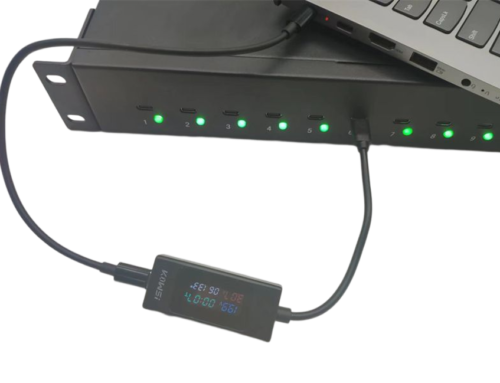
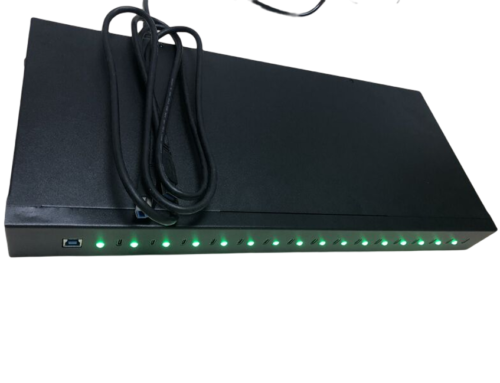
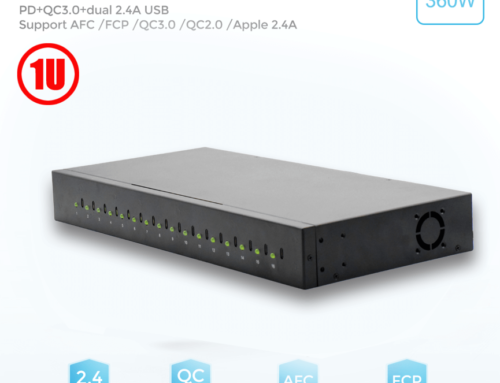
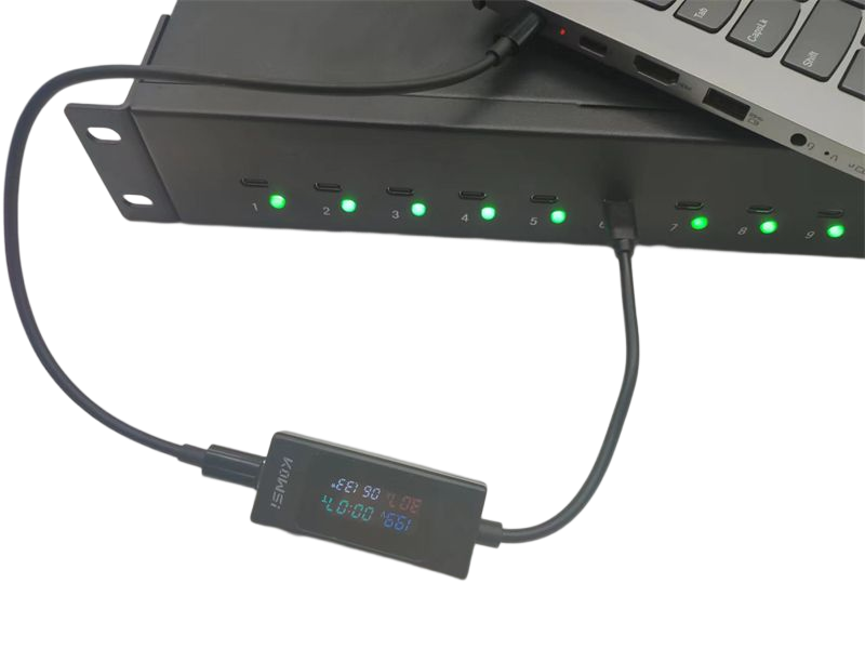
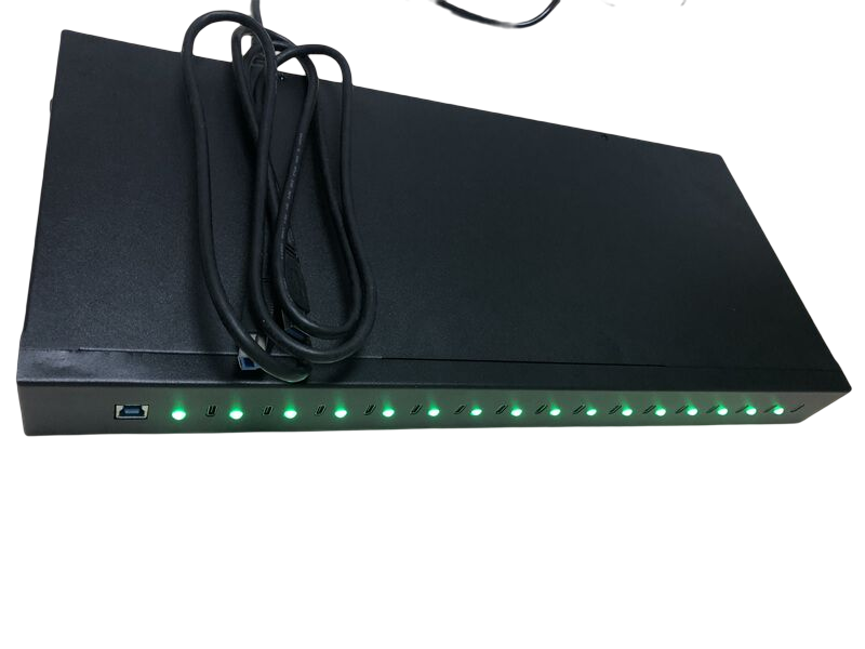
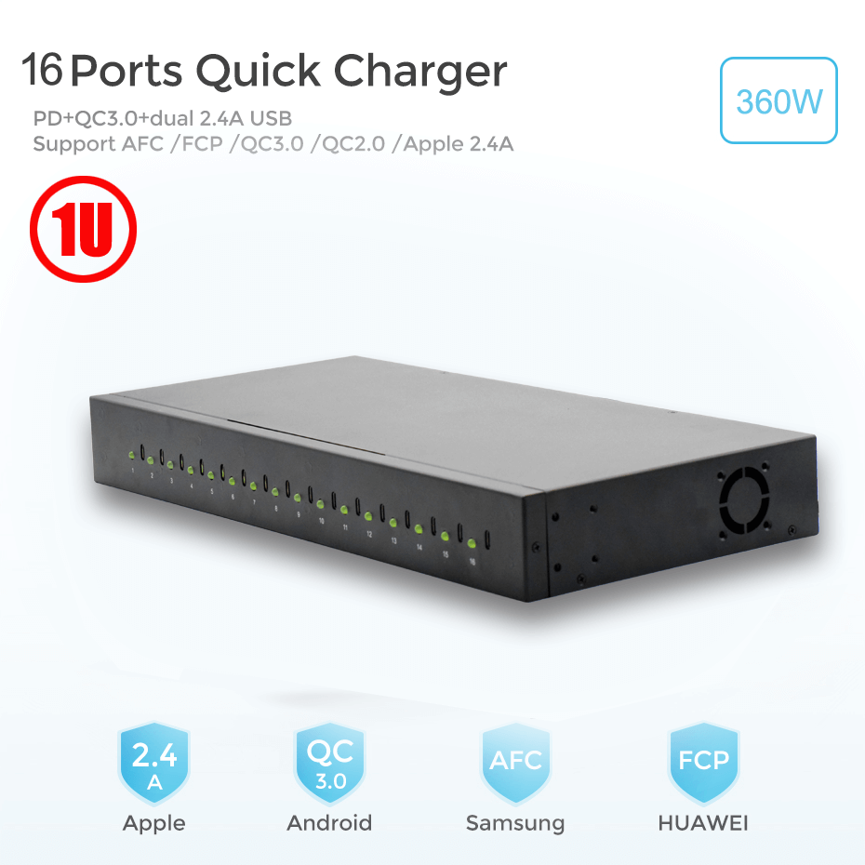
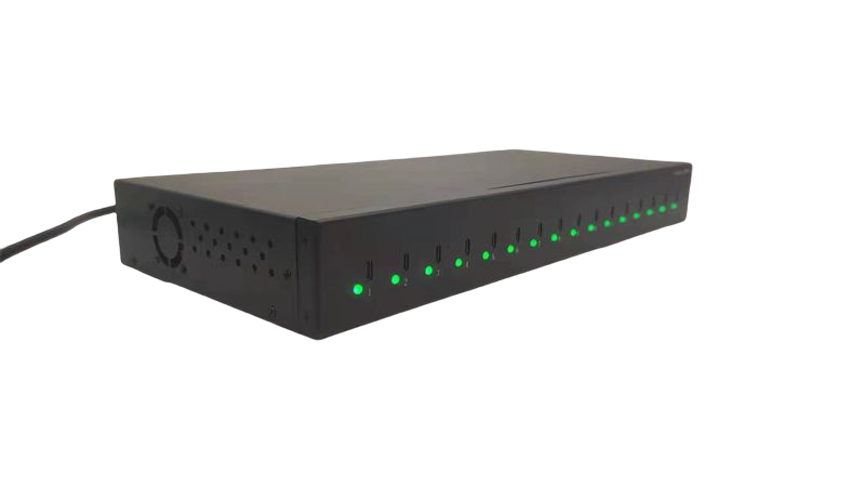
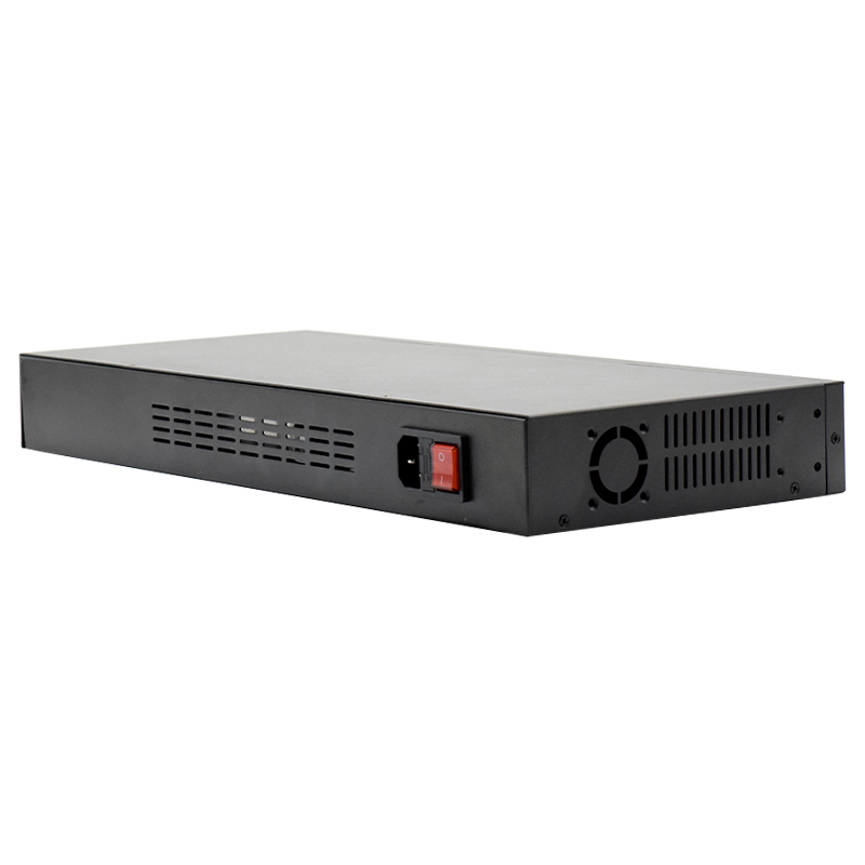
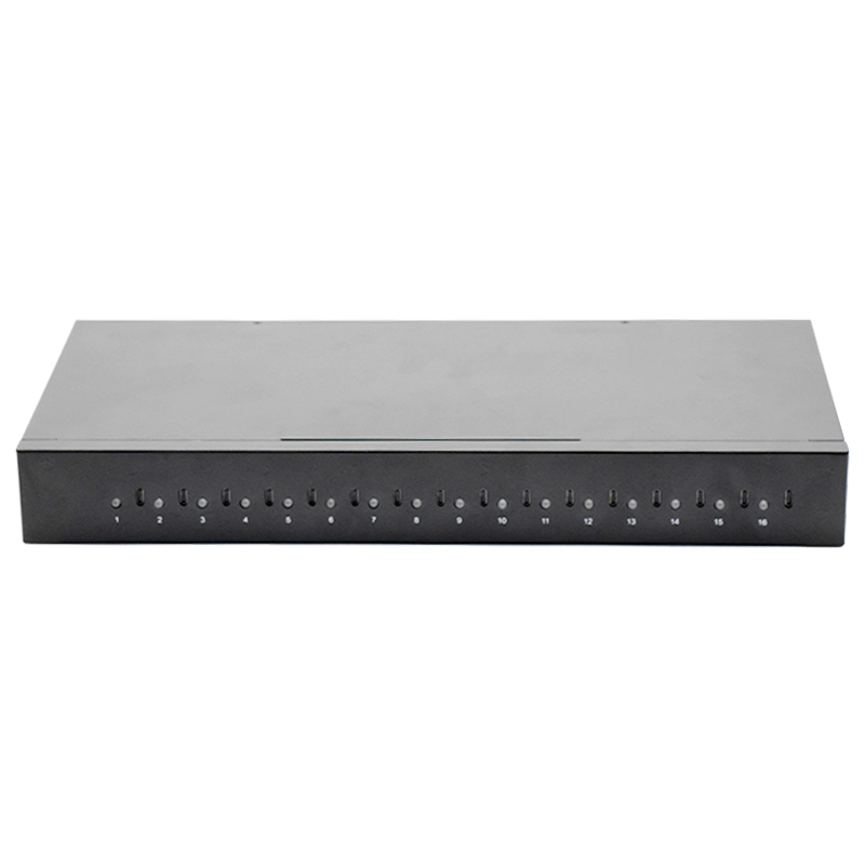
The TC-16 is designed to charge up to 16 compatible Type-C devices from a centralized unit. It features 16 downstream USB Type-C Power Delivery ports, supports up to 20W per port, and can be rack mounted into a standard 19-inch rack.
The charger also supports USB Power Delivery voltages from 5V to 20V, making it suitable for a variety of compatible USB-C devices and industrial or commercial charging environments.
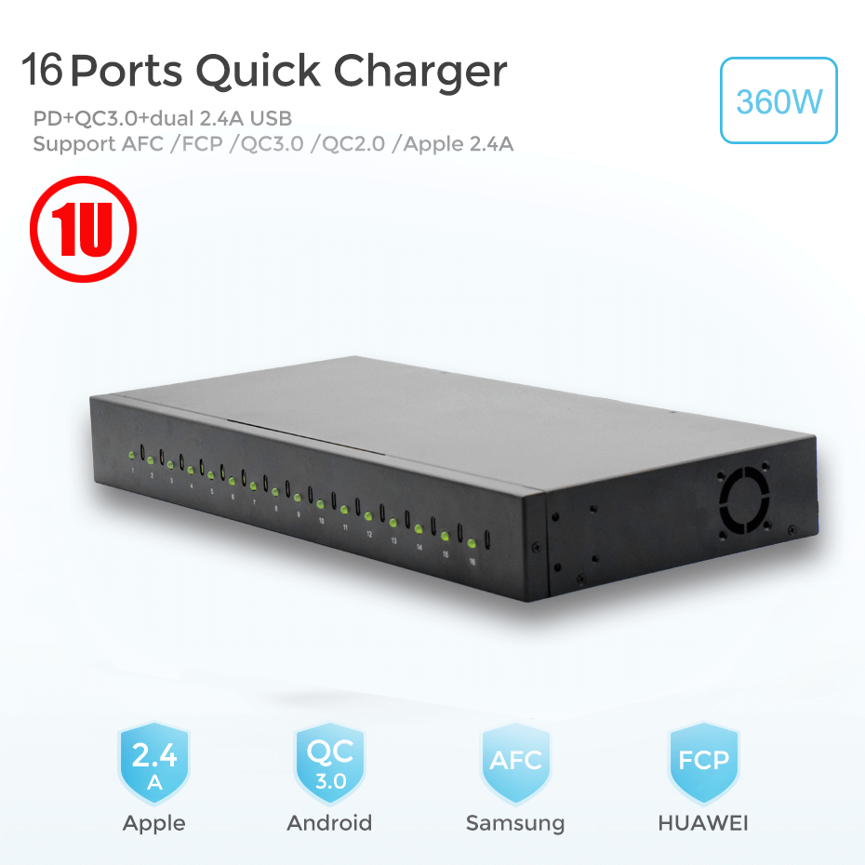
What Is the 16 Ports USB C Charger TC-16?
The TC-16 is a multi-port USB Type-C charging solution designed for environments where multiple devices need to be powered at the same time.
Instead of using 16 individual charging adapters, organizations can use one centralized charging unit with 16 USB-C Power Delivery ports.
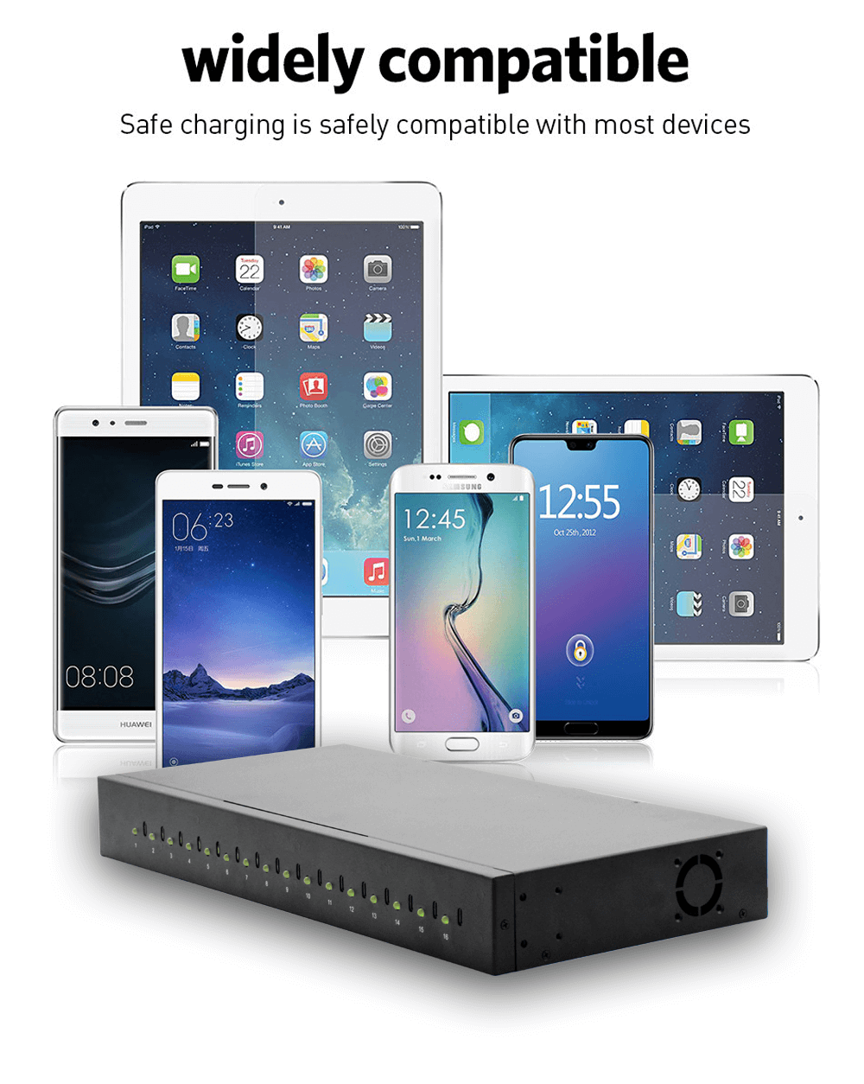
According to the supplied specifications, the TC-16 can charge:
- Tablets
- Smartphones
- MacBooks
- Chromebooks
- USB-C PD-compatible devices
- Other Type-C-powered equipment
The charger is also designed for industrial and commercial charging applications, making it suitable for professional environments where centralized device charging is required. The TC-16 USB C Charger is suitable for commercial and industrial environments where multiple USB-C devices need centralized charging.
TC-16 USB C Charger: Key Specifications
| Specification | Details |
| Model | TC-16 |
| Product Type | 16 Ports USB C Charger |
| Number of Ports | 16 USB Type-C PD ports |
| Charging Technology | USB Power Delivery |
| Maximum Output | Up to 20W per port |
| Maximum Current | Up to 4A per Type-C port |
| Supported Voltage Range | 5V to 20V |
| Example Output Levels | 5V 4A / 9V 2.1A / 12V 1.7A |
| Rack Mounting | Standard 19-inch rack |
| Device Capacity | Up to 16 compatible devices |
| Compatible Devices | Tablets, smartphones, MacBooks, Chromebooks and other USB-C PD devices |
| Intended Use | Industrial and commercial charging applications |
Actual charging performance depends on the connected device, USB-C cable, Power Delivery negotiation, and device charging requirements.
16 USB-C Power Delivery Ports
The most important feature of the TC-16 is its 16 downstream USB Type-C Power Delivery ports.
Power Delivery, commonly called USB-PD, allows compatible USB-C devices and chargers to negotiate an appropriate charging voltage and current.
This makes USB-PD more flexible than a fixed-output charging system.
The TC-16 supports USB-PD voltages from 5V to 20V, according to the supplied specifications.
Why USB Power Delivery Matters
Different devices have different charging requirements.
A smartphone may need considerably less power than a laptop. USB-PD allows compatible devices to request an appropriate power level within the charger’s supported capabilities.
This makes the TC-16 suitable for mixed-device environments.
For example, the same centralized charging system can be used for compatible smartphones, tablets, Chromebooks, and MacBooks, provided their actual charging requirements are supported.
Up to 20W Per Port
Each of the 16 Type-C Power Delivery ports supports up to 20W per port according to the supplied specifications.
This provides a useful charging capacity for compatible mobile devices and selected USB-C computers.
The available output can be summarized as follows:
| Charging Parameter | Supported Specification |
| Maximum Power | Up to 20W per port |
| Maximum Current | Up to 4A per port |
| Supported Voltage Range | 5V–20V |
| Example 5V Output | 5V / 4A |
| Example 9V Output | 9V / 2.1A |
| Example 12V Output | 12V / 1.7A |
The examples above come from the supplied product specification. Actual power delivered to an individual device depends on USB-PD negotiation and the device’s requirements.
Can the TC-16 Charge MacBooks and Chromebooks?
The product specifications specifically state that the TC-16 can charge 16 Apple MacBooks, Chromebooks, or other USB Type-C PD power-hungry products.
However, there is an important consideration when interpreting this specification.
Different MacBook and Chromebook models can have different power requirements. Some laptops may require more than 20W for normal operation or optimal charging.
Therefore, compatibility should be checked against the exact model and its required USB-C Power Delivery profile before deployment.
For devices that can accept charging within the TC-16’s supported output range, the centralized charger can provide a convenient charging solution.
Rack Mountable Design
Another major advantage of the TC-16 is its ability to be rack mounted into a standard 19-inch rack.
This makes the charger particularly suitable for professional installations.
Instead of placing the charger on a desk, it can be integrated into an equipment rack where other technology infrastructure is already organized.
Why Rack Mounting Is Useful
A rack-mounted charging solution can provide several practical advantages:
- More organized equipment areas
- Better use of available space
- Centralized device infrastructure
- Easier installation in technology rooms
- Professional equipment management
- Reduced desk clutter
This can be particularly valuable in commercial environments where equipment needs to be installed in a dedicated technology or equipment area.
Applications of the 16 Ports USB C Charger
The TC-16 is designed for both industrial and commercial charging applications.
Its 16-port capacity and rack-mountable form factor make it suitable for a variety of professional environments.
Schools and Educational Institutions
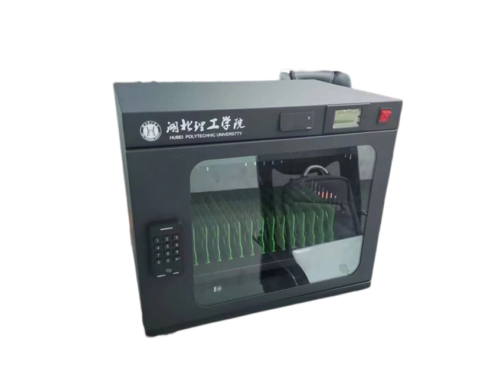
Educational organizations may manage large numbers of tablets, Chromebooks, and other student devices.
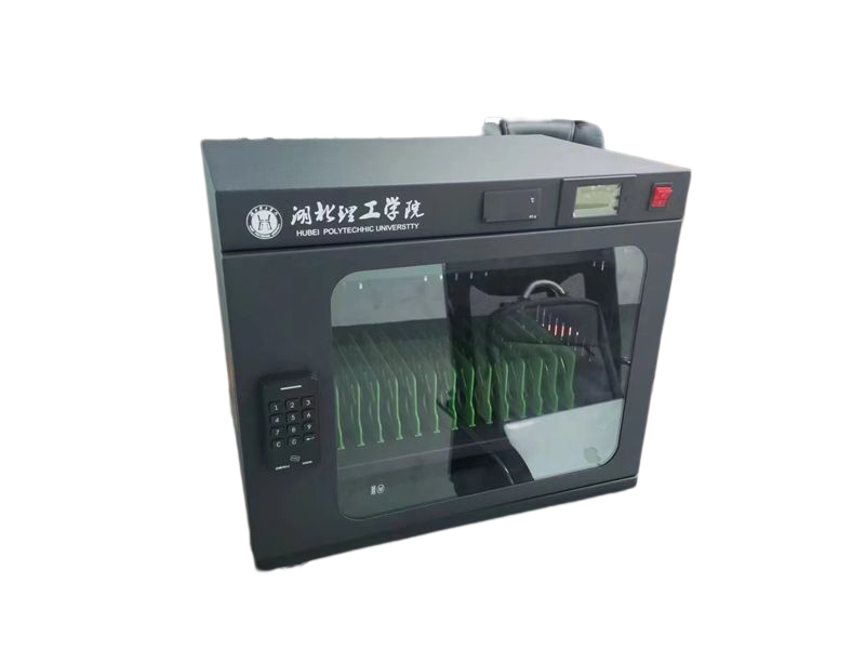
A centralized USB-C charger can provide a designated location for charging devices between classes or at the end of the school day.
Example Workflow
Students Use Devices → Devices Are Collected → Devices Connect to TC-16 → Devices Charge → Devices Are Ready for the Next Session
This can help schools establish a consistent charging routine.
Corporate Offices
Modern offices may use USB-C laptops, tablets, and smartphones for daily operations.
A centralized charging unit can be installed in an equipment room, technology area, or dedicated charging station.
The rack-mountable design is especially useful for organizations that already use standard 19-inch equipment racks.
IT Departments
IT teams may manage large numbers of company-owned mobile devices.
A centralized charger can provide a dedicated location for maintaining device readiness.
It can also reduce the need to maintain numerous individual power adapters.
Training Centers
Training facilities may provide laptops, Chromebooks, and tablets to participants.
At the end of each training session, devices can be returned to a central charging location.
This helps staff prepare devices for the next group.
Commercial Facilities
Retail stores, warehouses, service centers, and other commercial environments may use mobile computing devices for inventory, communication, customer service, or internal operations.
The TC-16 can provide centralized charging for compatible USB-C equipment.
Industrial Environments
The supplied specifications specifically identify industrial charging applications.
In industrial environments, centralized equipment can help organizations establish a dedicated charging infrastructure for compatible mobile devices and operational equipment.
Actual installation should follow the facility’s electrical, ventilation, equipment, and safety requirements.
Benefits of a 16-Port USB-C Charging System
1. Centralized Charging
Sixteen charging ports provide one central location for multiple compatible devices.
This can simplify charging management compared with maintaining numerous individual adapters.
2. USB Power Delivery
USB-PD provides flexible power negotiation for compatible devices.
This allows the charging system to support different power requirements within its specifications.
3. Rack Integration
The ability to mount the TC-16 in a standard 19-inch rack makes it suitable for professional technology installations.
4. Reduced Cable and Adapter Clutter
A centralized charger can eliminate the need for a separate wall adapter for every device.
5. Supports Mixed Device Environments
The TC-16 can support compatible tablets, smartphones, Chromebooks, MacBooks, and other USB-C PD devices.
6. Suitable for Professional Use
The product is specifically positioned for industrial and commercial charging applications.
16 Port USB C Charger vs. Individual Chargers
Organizations managing many devices often have to choose between individual chargers and centralized charging infrastructure.
| Feature | Individual Chargers | TC-16 USB C Charger |
| Charging Capacity | Generally one device per charger | Up to 16 devices |
| USB-C PD | Depends on individual charger | Supported |
| Centralized Management | Limited | Yes |
| Rack Mounting | Usually unavailable | Standard 19-inch rack compatible |
| Cable Organization | Can become complicated | Centralized |
| Commercial Deployment | Depends on setup | Designed for commercial use |
| Maximum Output | Varies | Up to 20W per port |
| Device Management | Individual | Centralized |
A centralized solution becomes more attractive as the number of devices increases.
Understanding USB-C Power Delivery
USB-C and USB Power Delivery are related but not identical concepts.
USB-C refers to the physical connector and interface.
USB Power Delivery is a power-management protocol that allows compatible devices and chargers to negotiate power levels.
This distinction is important when selecting charging equipment. The TC-16 USB C Charger is suitable for commercial and industrial environments where multiple USB-C devices need centralized charging.
A USB-C connector alone does not guarantee a specific charging speed. The device, charger, cable, and supported charging protocols all contribute to the final charging performance.
The TC-16’s USB-PD capability is therefore an important part of its design.
Supported Voltage Levels
The TC-16 supports USB-PD voltage levels from 5V to 20V, with the provided specifications listing examples such as:
- 5V at 4A
- 9V at 2.1A
- 12V at 1.7A
The charger can provide up to 20W per port according to the product specification.
The actual voltage and current selected depend on the connected device’s charging requirements and the USB-PD negotiation process.
This flexible approach allows the charger to work with different categories of compatible devices.
Choosing the Right USB-C Charging Infrastructure
Before installing a 16-port charger, organizations should evaluate several factors.
1. Device Compatibility
Make a list of all devices that will be connected to the charger.
Check their USB-C charging requirements and supported Power Delivery profiles.
2. Power Requirements
Do not assume every USB-C device has the same power requirement.
Smartphones and tablets may work well within lower power ranges, while some laptops can require considerably more power.
3. Cable Requirements
Use appropriate USB-C cables that support the required charging power.
A charging system cannot achieve its intended performance if the connected cables are unsuitable.
4. Rack Installation
If rack mounting is planned, confirm that the installation environment provides the required rack space and appropriate electrical infrastructure.
5. Charging Workflow
Determine when and where devices will be connected.
A clear workflow can make centralized charging significantly easier to manage.
Best Practices for Managing 16 USB-C Devices
A centralized charger is most effective when paired with a well-organized device-management process.
Label Devices
Assign an asset number or identification label to every device.
Organize Cables
Keep cables clearly associated with their devices or charging ports.
Inspect Accessories
Regularly check USB-C cables and connectors for damage.
Maintain Device Records
For business and educational deployments, maintaining a simple device inventory can make it easier to identify missing or damaged equipment.
Check Charging Compatibility
Before connecting a new device, confirm that its USB-C Power Delivery requirements are supported by the charger.
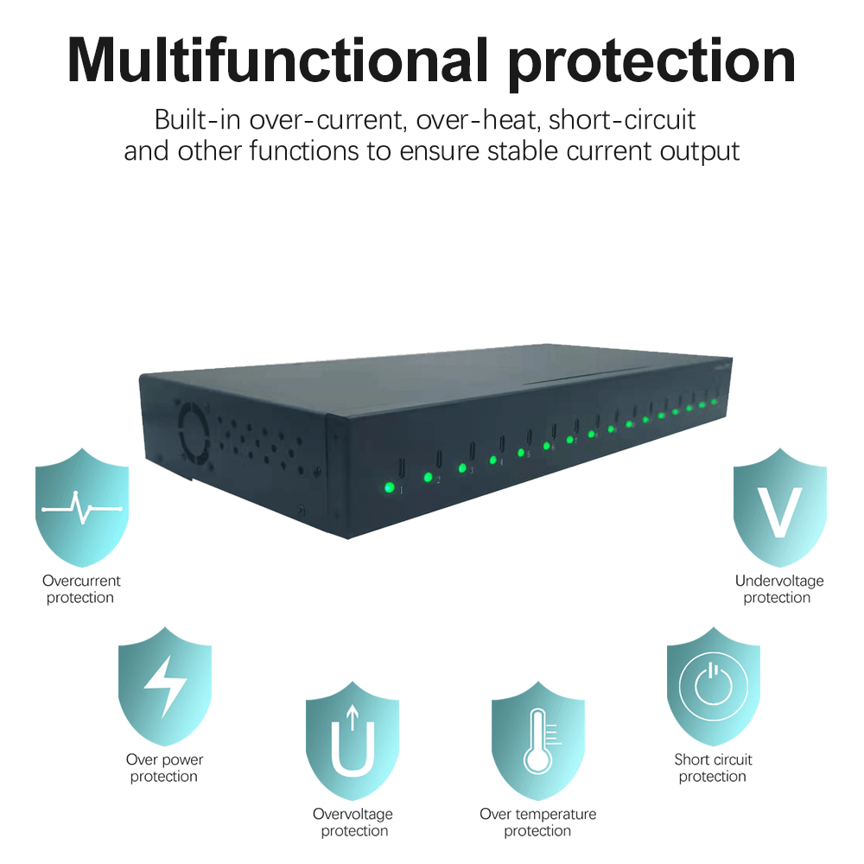
Safety Considerations
Charging multiple electronic devices from one centralized unit requires appropriate safety practices.
Users should:
- Use compatible USB-C cables.
- Avoid damaged cables and connectors.
- Follow manufacturer installation instructions.
- Ensure suitable electrical infrastructure is available.
- Keep the equipment area appropriately maintained.
- Avoid unauthorized modifications.
- Confirm that connected devices are compatible.
For commercial and industrial installations, qualified personnel should follow applicable electrical and workplace safety requirements.
Frequently Asked Questions
How many devices can the TC-16 charge?
The TC-16 has 16 USB Type-C Power Delivery ports and is designed to charge up to 16 compatible devices.
What is the maximum charging output?
Each port supports up to 20W according to the supplied specifications.
Does the TC-16 support USB Power Delivery?
Yes. The TC-16 uses USB-C Power Delivery and supports USB-PD voltage levels from 5V to 20V.
Can it charge Chromebooks?
Yes, the product specifications specifically identify Chromebooks among the supported device categories. Exact compatibility depends on the Chromebook model and its charging requirements.
Can it charge MacBooks?
The supplied specifications state that the charger can charge Apple MacBooks. However, users should verify the power requirements of their specific MacBook models because some models may require more than the charger’s 20W-per-port capability.
Can the TC-16 be installed in a rack?
Yes. The charger is designed to be rack mountable in a standard 19-inch rack.
Is it suitable for commercial use?
Yes. The product is specifically described as supporting industrial and commercial charging applications.
Does every connected device receive 20W?
Up to 20W is available per port according to the specification. The actual power delivered depends on the connected device, USB-PD negotiation, cable, and device charging requirements.
Conclusion
The 16 Ports USB C Charger TC-16 is designed for organizations that need centralized charging for multiple USB-C devices.
Its combination of 16 USB Type-C Power Delivery ports, up to 20W per port, 5V–20V USB-PD support, and standard 19-inch rack-mount compatibility makes it particularly suitable for professional charging environments.
The charger can support compatible tablets, smartphones, Chromebooks, MacBooks, and other USB-C PD devices, while its rack-mountable design allows it to integrate into structured technology environments.
For schools, corporate offices, IT departments, training centers, commercial facilities, and industrial applications, the TC-16 provides a centralized approach to multi-device charging that can help reduce charger clutter and simplify device management.
When combined with compatible cables, appropriate device specifications, and a well-organized charging workflow, a 16 Ports USB C Charger can become an efficient part of a modern device-management infrastructure.